Concrete Toe (Perimeter Concrete Trowel Wedge) vs Plastic Edging Comparison
Introduction
Choosing between concrete toe vs plastic edging depends on your specific landscaping goals, structural needs, and long-term maintenance preferences. This comparison explores the functional differences, installation requirements, and durability factors associated with both concrete perimeter wedges and various plastic border systems.
You will find detailed insights into how these materials perform under different environmental conditions, their aesthetic impact on garden beds, and the effort required for initial setup. By examining the unique characteristics of each method, you can determine which solution aligns with the layout of your landscape and your commitment to ongoing upkeep.
Concrete Toe vs Plastic Edging
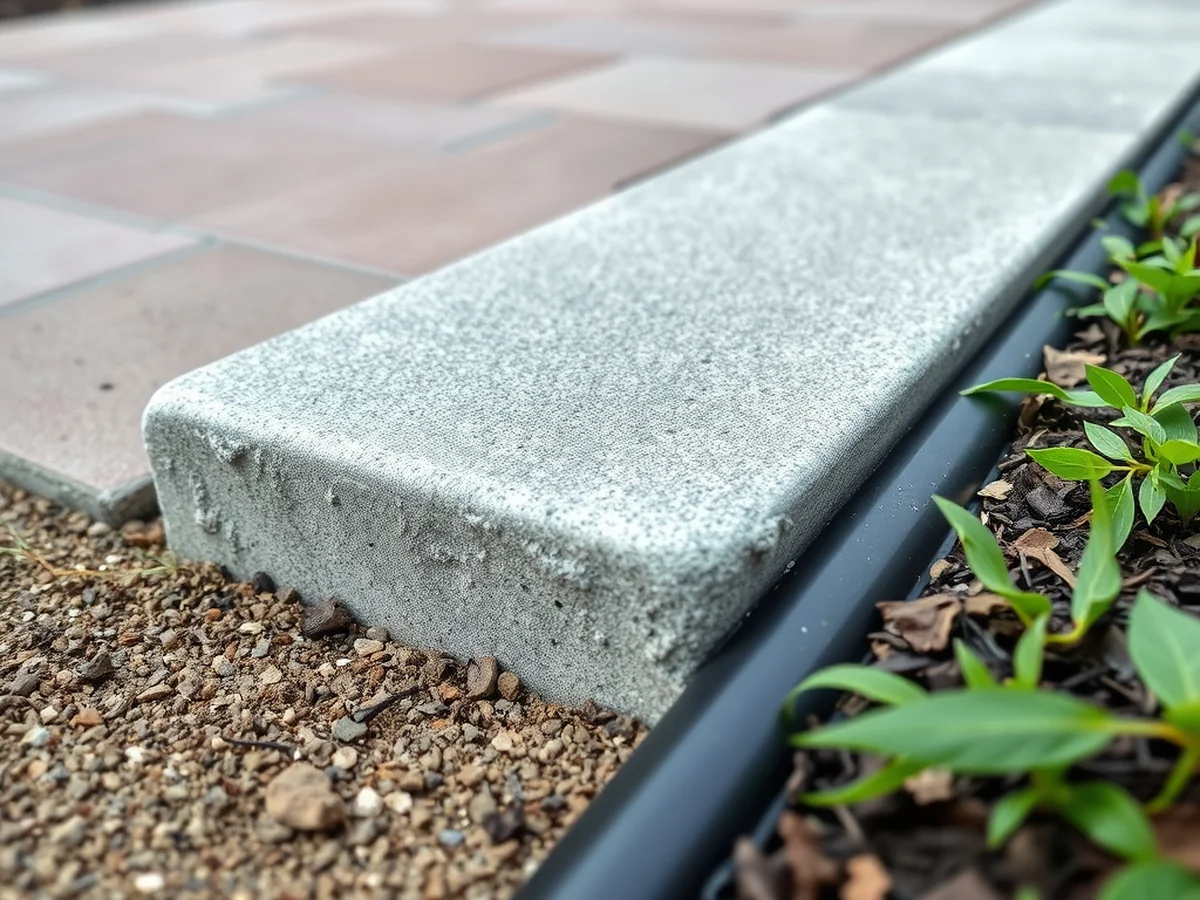
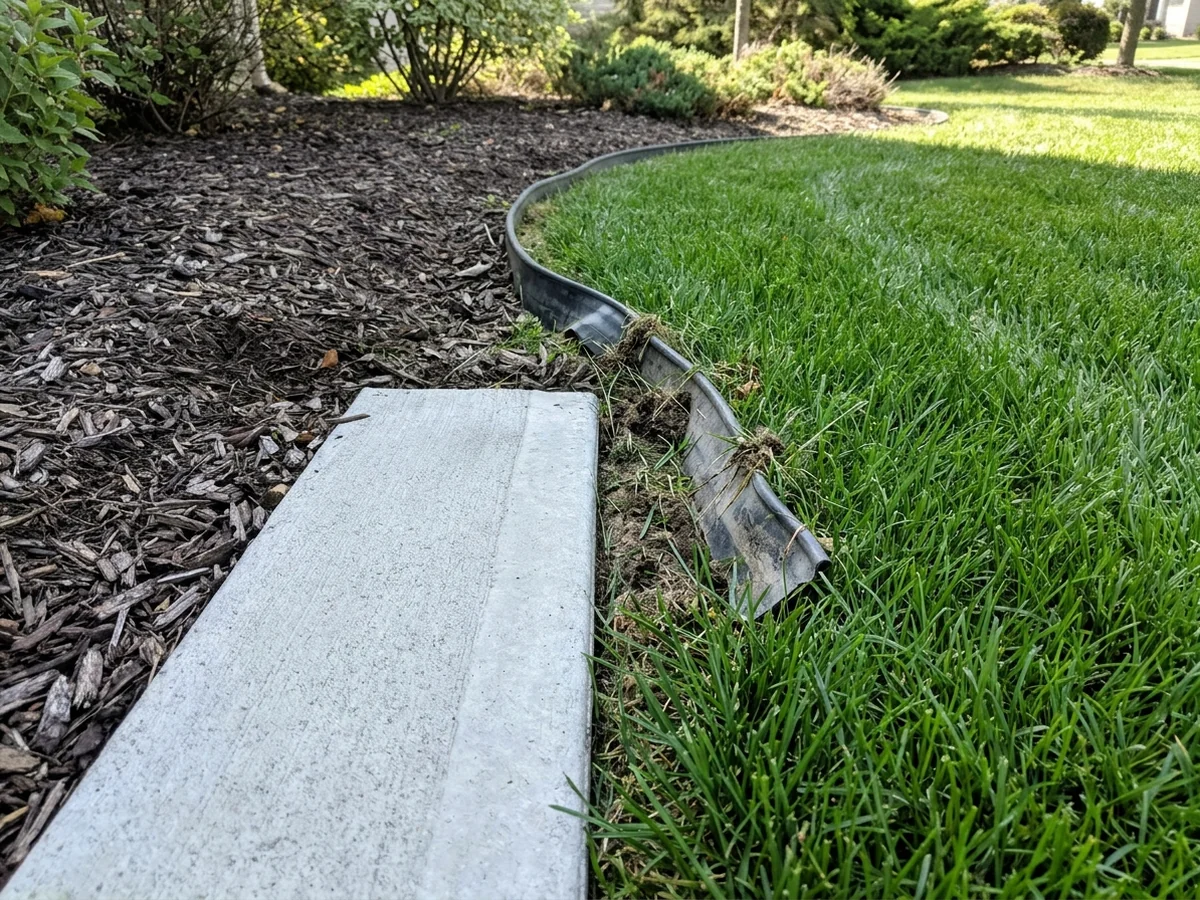
When planning a landscape upgrade, the choice between a concrete perimeter wedge and plastic edging often comes down to the intended lifespan of the project and the level of structural support required. A concrete toe acts as a rigid, load-bearing support for paved surfaces, while plastic edging serves as a flexible, low-maintenance divider for garden beds and turf.
Structural Integrity and Application
A concrete perimeter wedge is widely utilized to stabilize the edges of patios or paths, ensuring that paving materials do not shift under pressure. Because this method involves using materials like Portland cement to create a permanent boundary, it is categorized as a long-term landscape improvement. The effectiveness of this approach relies heavily on proper subgrade compaction to prevent the cracking often seen when soil settles beneath a rigid structure.
In contrast, plastic edging provides a flexible solution that is better suited for landscape designs featuring intricate curves. Unlike rigid concrete, plastic systems can be shaped to follow the natural contours of a garden bed. This material is popular for DIY landscape edging vs professional concrete projects due to its ease of installation and ability to be anchored securely into the ground.
Maintenance and Durability Comparison
Evaluating durable garden edging options requires an understanding of how these materials interact with the local environment. Concrete is generally resilient but can be impacted by the freeze-thaw cycle, which may lead to surface weathering over many years. Plastic, while resistant to rot and moisture, can become brittle if exposed to intense UV radiation for extended periods. Furthermore, homeowners should be aware that while plastic edging is compatible with most string trimmers, high-speed contact can eventually lead to material degradation or splitting.
| Feature | Concrete Toe | Plastic Edging |
|---|---|---|
| Primary Use | Structural support for paving | Garden bed and lawn division |
| Installation | High labor, professional often needed | DIY friendly, low labor |
| Flexibility | Rigid, fixed shapes | High, conforms to curves |
| Longevity | Permanent | Semi-permanent |
A successful landscape edging installation comparison also accounts for the long-term cost. While concrete represents a higher initial investment, it offers permanent stability for paved areas. Plastic edging serves as a cost-effective alternative for softscaping, though it may require replacement sooner than a masonry border. Regardless of the material chosen, proper ground preparation and clear boundary planning are the most effective ways to ensure the longevity of your garden borders.
Structural and Material Differences
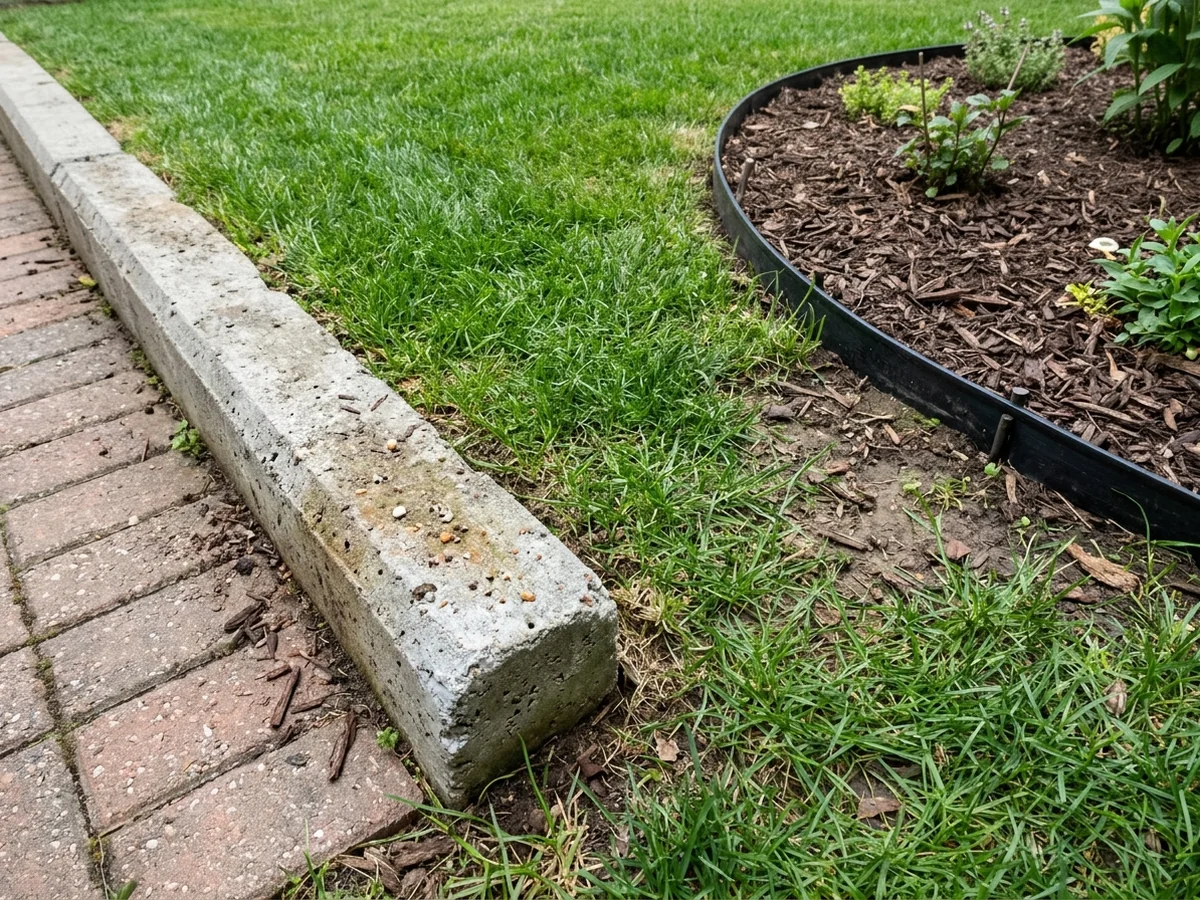
The primary difference between these options lies in their material composition and structural function, where concrete relies on a rigid cementitious matrix while plastic alternatives utilize flexible synthetic polymers. Choosing between these materials involves evaluating how their unique physical properties influence long-term stability and performance in a garden setting.
Concrete structures are typically composed of Portland cement, aggregate, and water. When shaped into a perimeter wedge, this material acts as a structural support element that anchors the edge of a paved surface, such as a walkway or patio. This rigid form provides a heavy, permanent barrier that is designed to withstand significant weight and environmental pressure.
In contrast, plastic edging is generally manufactured from polymers such as high-density polyethylene (HDPE). These materials are chosen for their flexibility, allowing them to bend along curved garden beds without breaking. While they are lightweight and easy to handle during a landscape edging installation comparison, they lack the mass of a concrete structure.
Material density plays a critical role in how these borders hold up over time. Because concrete is dense and inert, it stays firmly in place once the subgrade compaction is correctly prepared. Plastic, however, is a lower-density material that requires mechanical fasteners to maintain its position against soil movement or frost heave.
- Concrete offers a high-mass, permanent border that effectively separates different landscape zones.
- Plastic polymers provide a flexible, lower-cost alternative that is often easier for homeowners to install without heavy equipment.
- The structural integrity of a concrete perimeter wedge depends on the quality of the base, while the success of plastic borders relies on consistent anchoring.
Understanding these fundamental differences helps when evaluating durable garden edging options. While the concrete trowel wedge offers a substantial, immobile boundary, the synthetic nature of plastic edging provides versatility for complex, curving garden designs. Each material requires a different approach to site preparation to ensure it remains stable and functional throughout the changing seasons.
Installation and Labor Requirements

The choice between plastic systems and concrete borders creates a clear divide in project scope, skill requirements, and time investment. Plastic landscape edging installation is generally accessible for DIY enthusiasts, requiring basic equipment such as a shovel, rubber mallet, and a pair of shears for trimming. The process involves excavating a shallow trench, placing the material, and securing it with ground stakes to ensure stability. This method is relatively fast, allowing for the completion of long garden borders in a single afternoon.
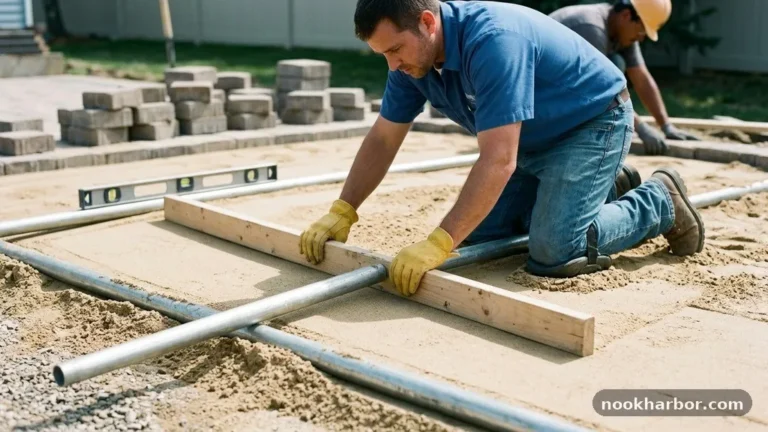
Conversely, a concrete perimeter wedge demands a more rigorous, labor-intensive workflow. This professional-grade approach involves mixing Portland cement, creating forms to define the edge shape, and performing manual troweling to achieve a finished surface. Because concrete is a heavy material, the physical labor involved in transporting and placing it is significantly higher than handling lightweight plastic. Furthermore, the precision required to trowel a consistent slope means that achieving clean, professional results often necessitates specialized experience.
The Role of Subgrade Preparation
Regardless of the material chosen, the longevity of your landscape border depends on the foundation. Subgrade compaction is critical for concrete installations, as any settling in the soil beneath can lead to structural compromise. If the base is not properly tamped, the weight of the concrete can cause the border to sink or crack over time. This is especially true in regions subject to a freeze-thaw cycle, where shifting ground exerts pressure on rigid structures. While plastic edging is more flexible and better able to accommodate minor soil movement without fracturing, concrete borders remain static, making thorough site preparation a non-negotiable step for long-term durability.
Material Handling and Finish
Managing the workflow for these two materials requires different considerations. Plastic sections are often pre-formed, which simplifies the creation of curved garden beds. These systems lock together or slide into place, minimizing the skill barrier. In contrast, concrete requires careful timing during the finishing phase. You must work while the material is workable but firm enough to hold a shape, which is a technique that typically improves with practice. The following table summarizes the primary differences in labor and installation requirements for those considering these durable garden edging options.
| Feature | Plastic Edging | Concrete Perimeter Wedge |
|---|---|---|
| Primary Skill Level | Beginner (DIY) | Intermediate to Professional |
| Typical Tools | Shovel, mallet, shears | Mixer, forms, trowels, level |
| Installation Speed | Rapid | Time-intensive |
| Soil Sensitivity | Forgiving/Flexible | Requires firm compaction |
Performance in Climate Extremes
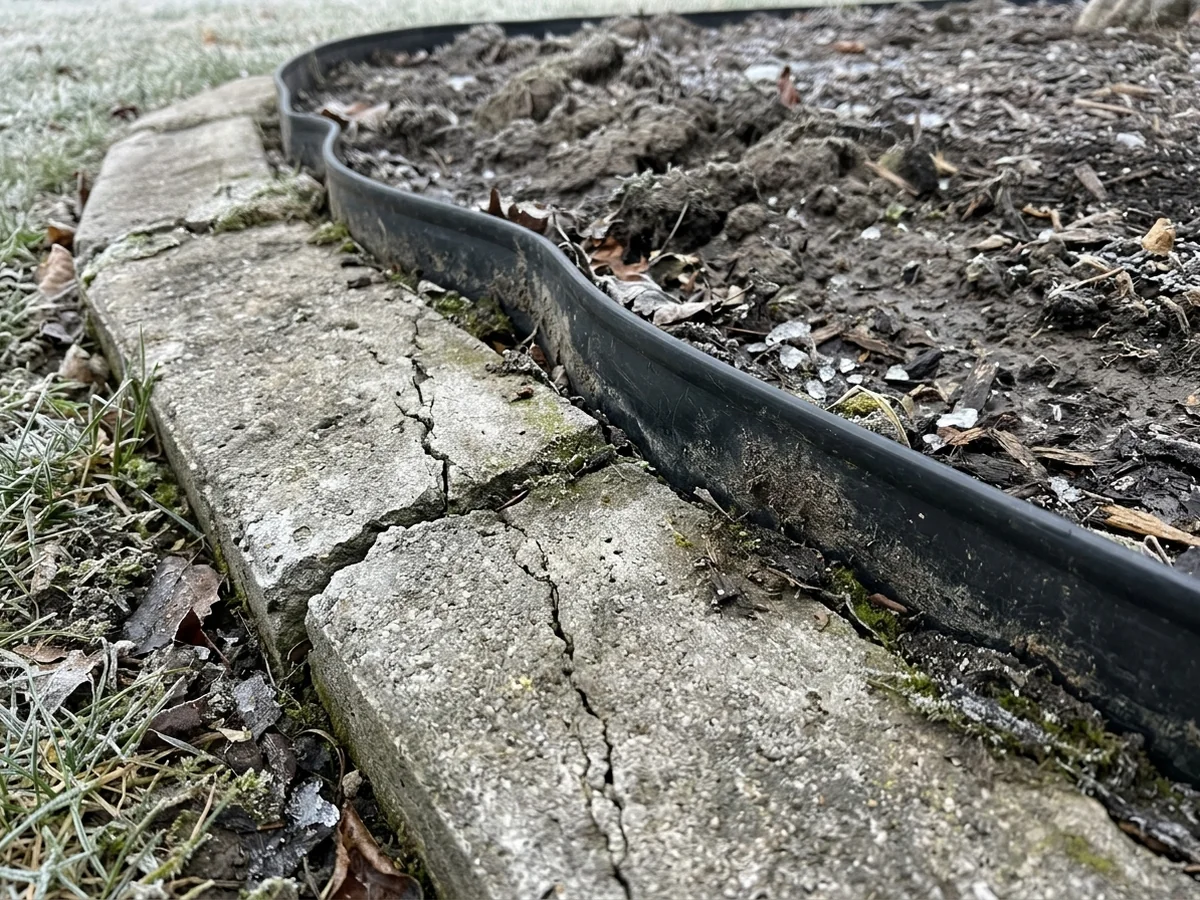
Concrete perimeters and flexible plastic borders react differently to shifting temperatures, with each material presenting distinct vulnerabilities in harsh weather. Choosing between these options requires an understanding of how seasonal cycles impact structural integrity over time.
Rigid masonry edges are susceptible to damage from the freeze-thaw cycle, which occurs when moisture trapped beneath or within the material expands as it turns to ice. If the ground lacks proper drainage or base preparation, this expansion can exert significant pressure on the concrete. This process often leads to cracking during winter months, particularly in regions that experience frequent fluctuations between freezing and thawing temperatures.
Flexible borders, by contrast, offer a different set of challenges related to environmental exposure. While these materials are generally not subject to the same internal cracking mechanisms as masonry, they are prone to degradation from prolonged sunlight exposure. Over time, UV radiation can weaken the molecular structure of the material, causing it to become brittle. This loss of flexibility increases the likelihood of breakage, especially when the border is subjected to physical stress or temperature-related contraction.
Homeowners should consider the following factors regarding long-term durability in varied climates:
- Proper subgrade compaction is essential for masonry stability to reduce movement during deep freezes.
- High-quality plastic formulations often include UV stabilizers to slow the rate of sun-induced material fatigue.
- Masonry edges may require periodic surface repairs if hairline cracks develop due to ground movement.
- Flexibility in synthetic borders allows them to move slightly with the soil, which can be an advantage in areas with high frost-heave potential.
Ultimately, the long-term performance of either edging solution depends on correct installation techniques tailored to the specific climate. While masonry offers a heavy-duty, permanent installation, synthetic options provide a more pliable alternative that reacts less violently to soil movement yet remains vulnerable to the drying and weakening effects of intense solar radiation.
Maintenance and Durability Comparison

When selecting a boundary for your lawn or garden, the choice between a concrete perimeter and plastic edging significantly influences your long-term maintenance schedule. Concrete serves as a rigid, structural addition to your property, while plastic options are generally regarded as semi-permanent borders that may require periodic attention to remain level and secure.
| Attribute | Concrete Perimeter | Plastic Edging |
|---|---|---|
| Lifespan | High | Moderate |
| Impact Resistance | High | Low |
| Repair Complexity | High | Low |
| Flexibility | Low | High |
Durability Factors and Lawn Care
One of the primary differences in a concrete toe vs plastic edging comparison is how each material interacts with standard landscaping equipment. String trimmer damage is a frequent issue with plastic borders, as the high-speed monofilament line can easily nick, gouge, or cut through the material. Over time, this degradation can lead to visible fraying or total structural failure of the border. Conversely, concrete is largely immune to this type of mechanical wear, providing a consistent barrier that maintains its integrity even with frequent trimming.
However, durability is not solely about impact resistance. In regions subject to significant freeze-thaw cycles, the underlying soil movement can cause concrete to crack if the subgrade compaction was insufficient during the original installation. While a concrete perimeter wedge acts as a solid, permanent feature, it lacks the inherent flexibility that plastic provides. If you anticipate changing your garden layout or adding curved beds frequently, plastic edging offers a level of adaptability that rigid concrete cannot match.
Long-Term Maintenance Realities
Maintenance expectations differ based on the material’s environmental performance. Plastic edging, while often more affordable upfront, may become brittle and crack after prolonged exposure to intense UV radiation, necessitating replacement sections. When evaluating materials that provide lasting results for your landscape, homeowners should account for the labor involved in resetting plastic borders that have heaved or shifted out of place. While concrete involves a higher initial investment of time and resources, it typically avoids the repetitive replacement cycles associated with lighter materials. For those prioritizing a set-and-forget solution, concrete offers superior longevity, whereas plastic remains a functional choice for those who value the ability to modify their landscape boundaries with minimal effort.
Design Flexibility and Aesthetics
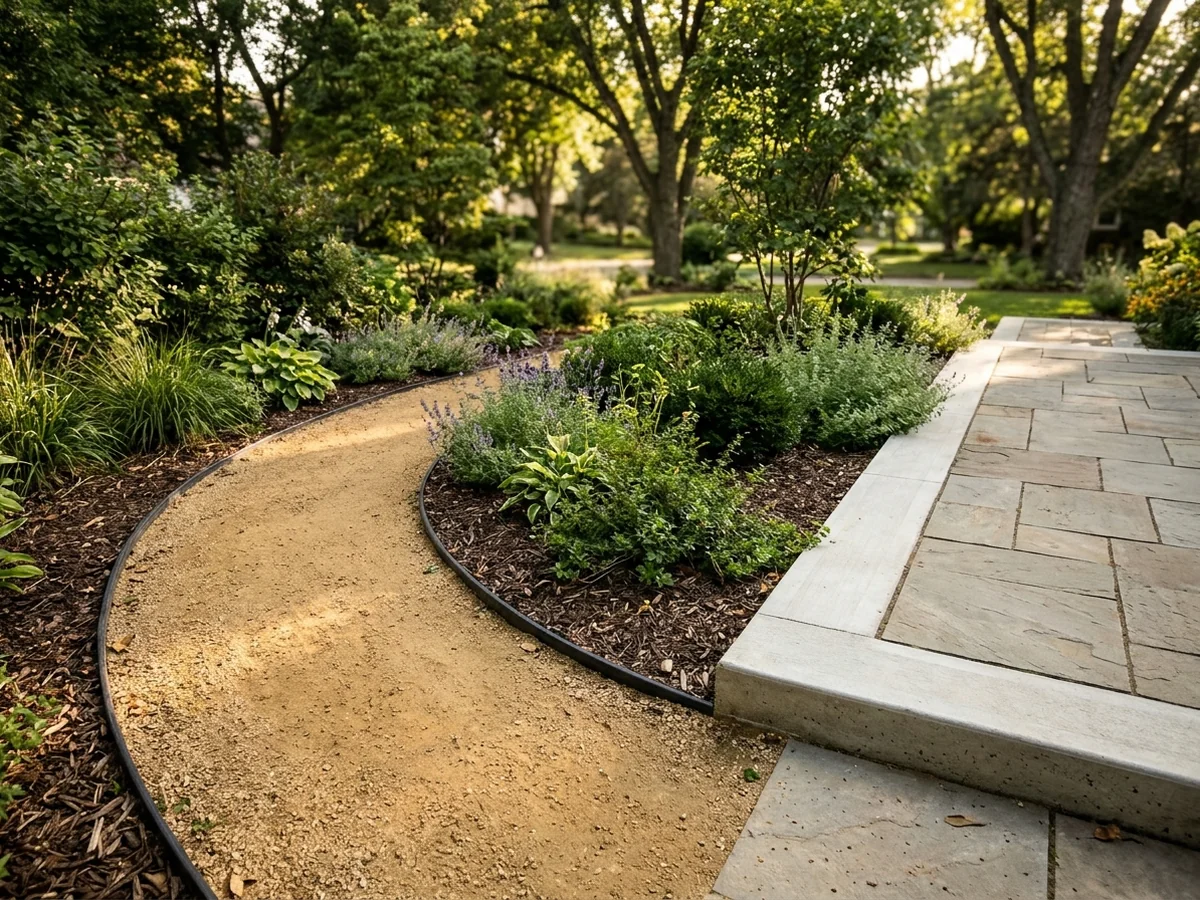
Choosing between a concrete toe vs plastic edging involves balancing your landscape design goals with long term maintenance expectations. The aesthetic impact of these materials often dictates the character of your outdoor space, with each offering distinct advantages for different garden configurations.
Navigating Curves and Geometries
Plastic edging is frequently favored for its pliability, making it a practical choice for complex, winding garden beds. Its flexible nature allows for the creation of organic shapes and tight curves that are often difficult to replicate with standard concrete forms. Because plastic products are designed to be bendable, they accommodate irregular planting areas without the need for extensive frame construction. This makes them a versatile option for homeowners who prefer a fluid, natural look in their garden layouts.
Concrete borders, by contrast, excel in projects that prioritize straight lines and structured, sweeping arcs. Achieving these shapes requires the use of custom frames to hold the concrete mixture in place during the setting process. While this demands more labor and planning than plastic alternatives, the result is a substantial, architectural presence that provides a clean, definitive transition between lawn and garden. The benefits of a concrete perimeter wedge are most apparent in linear applications where a rigid, high contrast separation is the primary objective.
Functional Integration and Landscape Infrastructure
How your chosen border integrates with existing landscape elements can significantly influence your daily maintenance routine. Effective planning is essential to ensure that your edging does not impede other garden systems.
| Feature | Plastic Edging | Concrete Border |
|---|---|---|
| Landscape Fabric | Easily tucked behind or beneath for a seamless barrier. | Requires careful planning to avoid edge displacement. |
| Irrigation Systems | Tubing can sit flush against the border for easy access. | May require routing lines through or around the base. |
| Visual Profile | Low profile, subtle, focuses attention on plants. | Substantial, permanent, anchors the landscape space. |
One common mistake during installation is failing to account for how these materials interact with ground level infrastructure. For example, when using concrete, ensuring that irrigation lines are accounted for before the material sets is critical, as adjustments after the fact are difficult. Conversely, plastic systems are often easier to adjust if you decide to change the layout of your flower beds in the future. For those seeking materials designed to remain in place for many years, the permanence of concrete is a primary consideration, while those who enjoy seasonal updates may find the versatility of plastic more aligned with their lifestyle.
Installation Pitfalls for Edging
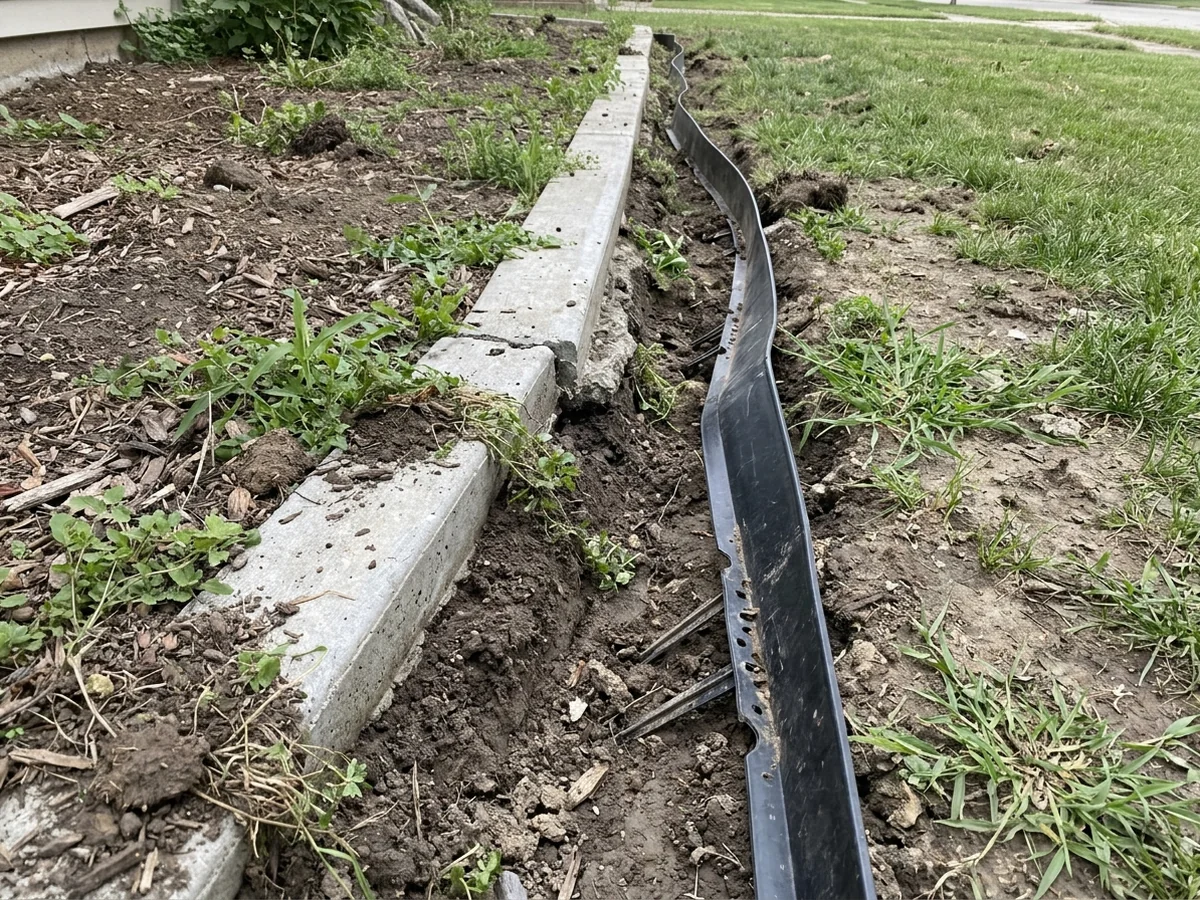
Successful landscape border projects rely heavily on addressing the underlying soil conditions and structural requirements during the initial setup phase. Whether you are comparing concrete toe vs plastic edging, ignoring foundational needs often leads to premature failure of the barrier. A landscape edging installation comparison reveals that while materials differ, the importance of a stable sub-base remains constant.
The Critical Role of Subgrade Preparation
One of the most frequent errors in garden border installation is the neglect of subgrade compaction. For rigid concrete perimeters, the soil must be firm and uniform to prevent uneven settling. If the base remains loose, the weight of the concrete can lead to structural cracks as the ground shifts. Conversely, plastic systems require a level trench that provides uniform support across the entire length of the material. Failing to level the ground beneath plastic strips can cause the material to ripple or bow when subjected to thermal expansion and contraction.
Drainage and Environmental Considerations
Inadequate drainage planning is a major contributor to installation failure. Moisture buildup beneath a border can weaken the ground, leading to sinking or heaving. In regions prone to significant freeze-thaw cycles, water trapped against a border can expand upon freezing, exerting pressure that displaces the material. When evaluating long-lasting solutions for your garden borders, homeowners should prioritize ground preparation that allows for proper water runoff. For concrete installations, ensuring the base consists of well-draining material helps protect the integrity of the structure over time.
Mechanical and Fastening Errors
When selecting between concrete vs plastic garden border solutions, the method of securing the boundary is as important as the material itself. Common mistakes that compromise performance include:
- Insufficient anchoring of flexible materials: Failing to use enough stakes allows seasonal ground movement to push the border out of alignment.
- Incorrect depth settings: Installing borders too shallow leaves them susceptible to string trimmer damage and accidental displacement from foot traffic or lawn equipment.
- Ignoring edge tension: Improperly tensioned plastic borders often fail to maintain a clean line, resulting in a wavy appearance rather than a crisp transition.
Whether you opt for the professional-grade stability associated with the benefits of concrete perimeter wedge structures or the flexibility of plastic systems, site preparation is the foundation of longevity. By addressing drainage, compacting the subgrade, and using the correct number of fasteners, you significantly reduce the likelihood of early repairs and ensure your landscape remains polished throughout the changing seasons.
Professional Installation vs DIY
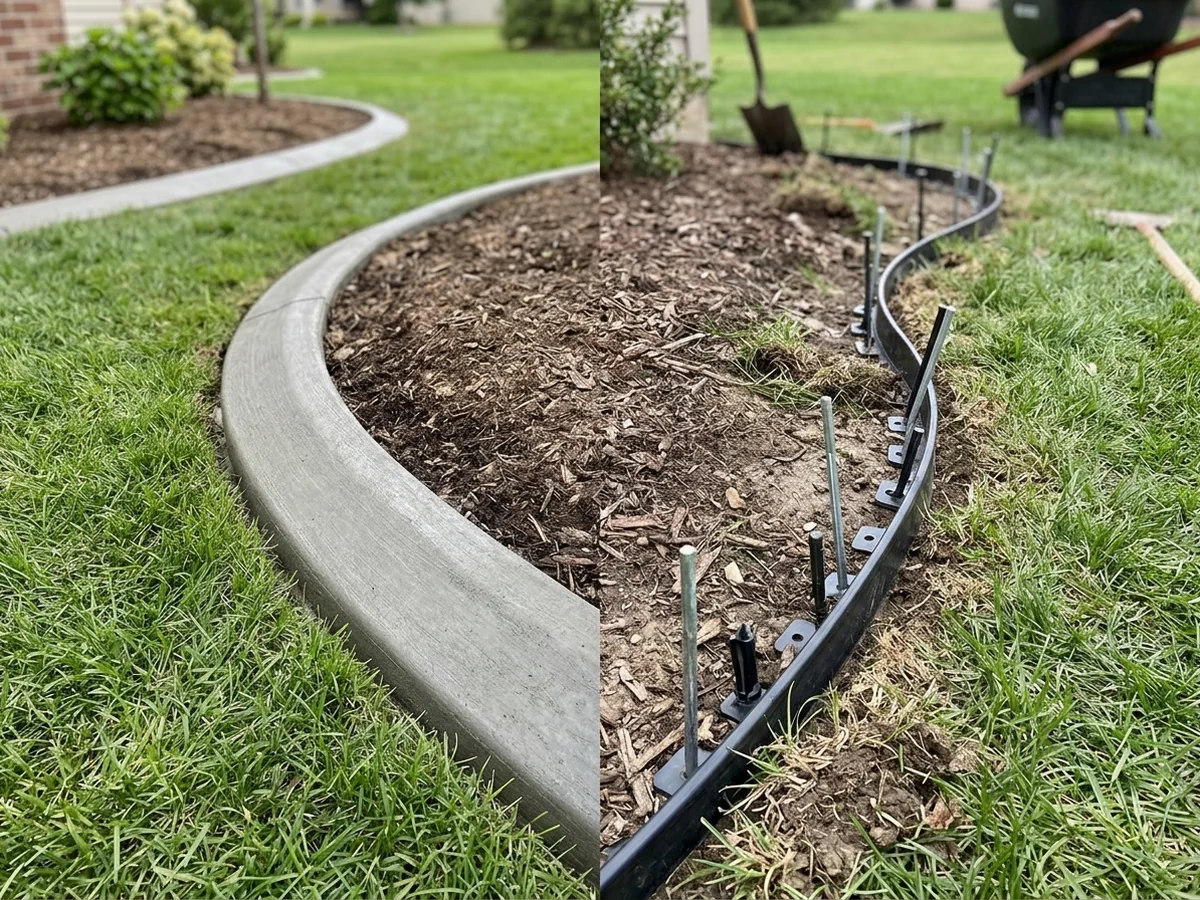
Professional installation is often necessary for a perimeter concrete wedge due to the technical demands of site preparation and material finishing. While plastic systems are frequently marketed for DIY projects, concrete work requires specific knowledge of mix ratios, subgrade compaction, and precise curing conditions to ensure long-term stability.
Choosing between these two approaches depends largely on your project scale and the complexity of your landscape design. Small, manageable garden beds with gentle curves are typically well-suited for plastic systems, which do not require heavy machinery or specialized finishing tools. Conversely, large-scale projects or high-traffic areas often benefit from the structural integrity provided by a professionally poured concrete border.
Professional installers bring essential expertise to the process, particularly regarding how materials react to local climate conditions. They are trained to evaluate the following factors:
- Subgrade compaction requirements to prevent settling or uneven movement over time.
- The impact of local soil types on drainage and potential frost-heave risks.
- Proper finishing techniques that ensure the surface is durable and aesthetically consistent.
- The necessary curing environment to avoid surface defects and structural compromise.
If your property features problematic soil, such as high-clay content or poor drainage, professional grading is a critical step that should not be overlooked. Improperly prepared soil can cause even the most expensive concrete work to shift or crack prematurely. Professionals use specialized equipment to ensure the base is stable, which is a major factor in the longevity of any garden border.
While DIY enthusiasts may find the immediate cost of plastic systems lower, professional concrete work offers a different value proposition focused on permanence and structural support. Consider whether your project requires a simple decorative barrier or a functional element designed to withstand heavy use and environmental stress. A clear assessment of your landscape requirements will help determine if the labor-intensive nature of concrete is worth the investment for your specific outdoor space.
FAQ
Which edging is better for curved garden beds?
Flexible plastic edging is typically preferred for creating curves because it bends easily to follow natural landscape contours. Concrete borders often require specialized forms and professional labor to achieve a smooth, rounded appearance.
How does the cost of concrete compare to plastic edging?
Plastic edging is generally a lower cost, entry level material that homeowners can install as a DIY project. Concrete edging requires more intensive labor, raw materials like Portland cement, and potentially professional equipment, resulting in a higher upfront investment.
Is professional installation required for concrete toes?
While some experienced DIY enthusiasts manage concrete installations, professional expertise is often recommended to ensure proper subgrade compaction and site preparation. Poorly installed concrete edges are more likely to suffer from settling or cracking over time.
What is the life expectancy of plastic landscape edging?
The lifespan of plastic edging depends heavily on local climate conditions, specifically exposure to intense UV radiation and temperature fluctuations. While it is a durable garden border option, it may eventually become brittle or require replacement sooner than permanent concrete structures.
Does a concrete toe prevent grass from growing into garden beds?
A concrete perimeter wedge acts as a solid, rigid barrier that effectively blocks invasive grass roots from migrating into your garden. Because it creates a deep, physical separation, it often requires less maintenance than plastic alternatives to maintain a clean edge.
Conclusion
Choosing between these two methods depends primarily on your long-term landscape goals and the amount of labor you are prepared to invest. Evaluate your specific site conditions, such as required curve flexibility and desired structural longevity, before deciding on a concrete toe vs plastic edging configuration. If your priority is a permanent, rigid structure, a concrete perimeter wedge is likely the superior choice for your property. For projects requiring quick installation or frequent adjustments, plastic systems offer a more adaptable solution.
You might also like: How Deep Should You Dig for a Paver Patio (The 4″ to 6″ Ba