
Should Edge Restraints Sit on Top of Bedding Sand or Direct on Base Gravel?
Introduction
You should place your edge restraint on the compacted aggregate base rather than on top of the bedding sand. Installing an edge restraint on bedding sand or gravel is a critical distinction, as direct contact with the base layer provides the structural stability necessary to prevent long-term movement.
This article examines the technical requirements for securing edge systems in paver projects. You will learn why placement on the base is standard practice for maintaining the integrity of concrete paver systems and how this approach helps in preventing paver edge failure. The following sections cover the mechanical reasons for anchoring restraints into the aggregate, the risks associated with improper placement, and the best practices for ensuring a stable perimeter. We focus on the structural necessity of a solid foundation to support the weight and traffic loads typically placed on outdoor surfaces.
Bedding Sand vs Base Gravel

Edge restraints must be anchored directly onto the compacted aggregate base rather than sitting on top of the bedding sand. Placing these supports on the sand layer creates a weak foundation that is prone to movement over time.
The primary purpose of an edge restraint is to keep the entire interlocking concrete pavement system unified. By resisting lateral forces, these barriers prevent the individual units from spreading or rotating under pressure. When the restraint is securely fixed to the solid base, it provides the necessary leverage to keep the perimeter of the installation locked in place.
Bedding sand serves as a leveling course for the pavers, not as a structural foundation for the edging. Because sand is loose and mobile by design, it lacks the compressive strength required to hold heavy anchors or spikes. If you install an edge restraint on bedding sand or gravel that has not been properly compacted, the material underneath can shift or wash out through drainage gaps. This instability often leads to gaps between the pavers and the restraint, which eventually compromises the integrity of the entire surface.
Securing the restraint directly to the aggregate base ensures that the entire system acts as a singular, rigid structure. This contact allows for the use of long spikes or other mechanical fasteners that penetrate deep into the base, creating a firm grip that resists the forces of traffic and environmental changes. When the restraint sits flush against the stable stone, it maintains a consistent elevation, which helps keep the paver edges aligned and uniform.
In addition to structural support, the placement of the restraint impacts long-term drainage and frost resistance. If the restraint is placed incorrectly on the bedding layer, it can act as a dam, trapping water within the sand and leading to saturation. By anchoring the restraint to the gravel base, you ensure that the edging does not impede the natural movement of water through the system. Consistent contact with the sub-base is essential for maintaining the performance of the pavement over many seasons of use.
Base Stability and Restraints

The structural longevity of any hardscape project relies on the foundation beneath the surface. To maintain the geometry of a paved area, edge restraints must be anchored directly onto the compacted aggregate base for pavers. Positioning these restraints on the bedding sand layer is a frequent installation error that undermines the entire system. Because the bedding sand layer is designed to be loose and permeable to facilitate leveling, it lacks the necessary density and friction to keep the perimeter secure. Any restraint placed here will eventually shift as the sand settles or washes away, leading to edge failure.
The Role of the Aggregate Foundation
The aggregate base acts as the primary load-bearing foundation, distributing vertical forces from traffic across the underlying soil. Proper installation requires consolidating crushed angular stone into a dense mass. When the base is prepared using a vibratory plate compactor to reach a high level of density, it creates a rigid platform. Securing the edge restraint to this firm material ensures that the perimeter remains locked against the foundation. This connection is vital because concrete paver systems rely on the physics of lateral movement to maintain their interlocking bond. As traffic loads press down, the stones exert horizontal pressure, which the restraint must counteract by transferring that force directly to the stable base.
Selecting and Securing Restraints
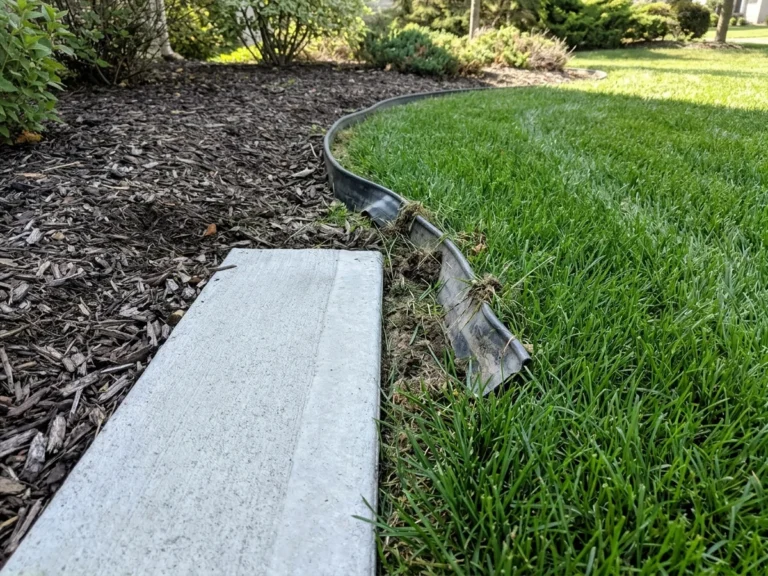
The choice of material often depends on the intended use of the surface, such as the difference between residential walkways and heavy-duty driveways. While plastic edge restraints are common for many projects, concrete edge restraints may provide higher structural support for driveways subject to significant vehicular loads. Regardless of the material, the method of securing the restraint is critical. Typically, manufacturers specify that spikes are driven through the restraint and into the compacted aggregate to create a permanent bond. Placing restraints on top of loose bedding sand prevents this critical connection, as the sand acts as a mobile buffer that prevents the restraint from gripping the sub-base.
Table: Comparison of Edge Restraint Considerations
| Feature | Plastic Restraints | Concrete Restraints |
|---|---|---|
| Primary Use | Walkways, Patios | Driveways, Heavy Loads |
| Anchoring | Spikes into aggregate | Concrete bond or buried |
| Base Interaction | Must sit on compacted stone | Must sit on compacted stone |
To further ensure stability, many installers use geotextile fabric between the subgrade and the gravel base to prevent soil migration, which helps maintain the integrity of the base over time. By isolating the restraint from the bedding sand and anchoring it firmly to the stone, the perimeter stones stay tight against the joint sand, preserving the interlocking friction that keeps the entire surface aligned through seasonal changes in moisture and temperature.
Risks of Bedding Sand Placement

Installing edge restraints on top of bedding sand is a common error that compromises the structural integrity of the entire system. When restraints sit on sand rather than the compacted aggregate base, the foundation lacks the rigidity needed to hold heavy materials in place.
Bedding sand is designed to provide a level surface for pavers, not to support the weight of the edge system. Because sand particles remain movable, any pressure applied to the edge of the pavers pushes against the restraint, causing it to shift. This movement creates gaps between the pavers and the edging, which leads to spreading and eventual surface failure.
Proper drainage also suffers when restraints interrupt the natural flow of water. When an edge restraint sits on a layer of sand, it acts as a barrier that traps moisture beneath the pavers. This water has nowhere to go, which saturates the sand layer and softens the subgrade over time. Effective drainage requires that water travels through the bedding layer and into the base gravel, but a poorly placed restraint blocks this path.
Freeze-thaw cycles significantly exacerbate these issues. In colder climates, water trapped behind the restraint expands as it turns to ice. This expansion exerts immense force on the edging. If the restraint is anchored only into loose sand, it offers little resistance to these forces and will easily tilt or heave. This process causes consistent, repeating damage that is difficult to repair without a complete rebuild.
- Anchoring into sand prevents the use of deep fasteners, leaving the restraint unsecured against lateral loads.
- Shifting sand leads to uneven pavement surfaces that can create tripping hazards.
- Restraints resting on sand often detach from the paving system during seasonal ground movement.
- Interrupting drainage paths encourages water to pool under the pavers, leading to long-term sub-base instability.
Securing the restraint directly to the compacted aggregate base provides the necessary mechanical bond for preventing paver edge failure. When the base is prepared correctly, the spikes or fasteners can reach a stable substrate that does not fluctuate with moisture content. This contact is essential for maintaining the alignment of the system through changing weather conditions and daily traffic loads.
Choosing Restraint Installation Methods

The foundation of a long-lasting hardscape begins with the interface between the perimeter containment and the structural base. When installing paver edge restraints, placement is critical for maintaining the structural integrity of the entire system. Professional installation practices emphasize that these components must be anchored directly onto the compacted aggregate base for pavers, rather than resting on the loose bedding sand layer.
| Material Type | Best Use Case | Anchoring Requirement |
|---|---|---|
| Plastic | Residential walkways | Spikes into base |
| Concrete | Driveways/Heavy loads | Bonded or set in mortar |
| Metal | Curves/Garden borders | Pins or stakes |
The Risks of Bedding Sand Placement
One of the most common errors in paver edge restraint installation is setting the restraint on top of the bedding sand. Bedding sand is a non-structural, loose material designed to allow for proper paver seating and leveling. It is prone to shifting, compaction, and migration, especially during weather events or under heavy foot traffic. If an edge restraint is placed on this unstable layer, it cannot provide the necessary lateral support to prevent paver spreading. Over time, the sand underneath the restraint can wash out, causing the entire edge to tilt or detach, which inevitably leads to visible gaps and surface failure.
Anchoring for Structural Stability
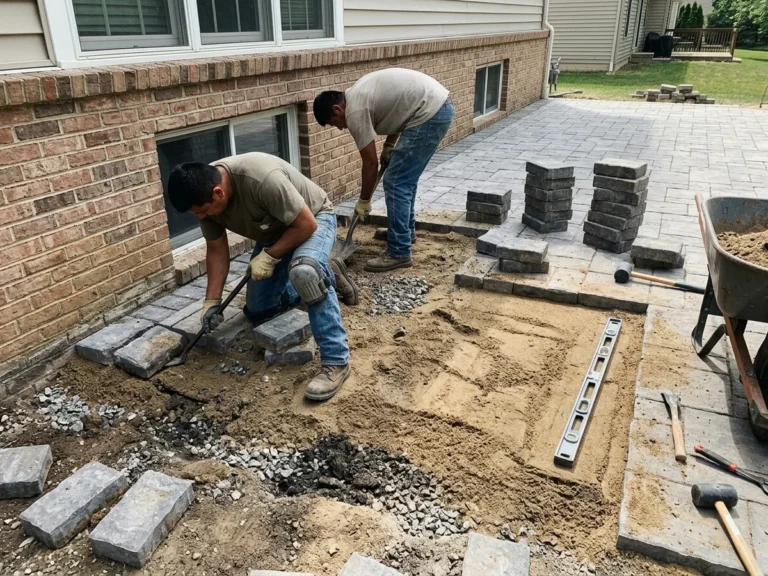
To ensure a project survives seasonal changes and load-bearing stress, the restraint must be physically tied to the underlying compacted aggregate base. This base, typically comprised of crushed angular stone, is consolidated using a vibratory plate compactor to achieve a high density. When the restraint is fastened directly to this solid layer, it becomes part of the permanent structure.
For residential projects, plastic edging is often secured with long spikes. These fasteners must be driven deep enough to penetrate the aggregate base, creating a rigid connection that resists lateral movement. In heavy-duty applications such as driveways, where vehicle traffic creates significant horizontal forces, concrete restraints are often preferred. These are typically cast in place or set in a mortar bed directly against the aggregate to create a fixed, immovable barrier. Regardless of the material, the primary goal is to ensure the restraint is decoupled from the shifting bedding sand and fully integrated with the stable foundation.
Planning for Drainage and Longevity
Proper installation requires an understanding of how water moves through the system. While concrete provides superior structural support, it is a rigid, non-porous material. Installers must plan for drainage to prevent water from becoming trapped behind the perimeter, which could weaken the base over time. Utilizing geotextile fabric between the subgrade and the gravel base can further help by preventing soil migration into the stone, maintaining the structural integrity of the base layer and supporting the edge restraint for years to come.
Proper Installation Sequence

For a durable hardscape, the sequence of installation is as important as the materials selected. Edge restraints must be anchored directly onto the compacted aggregate base rather than the bedding sand. This placement ensures the restraint is supported by the load-bearing foundation, which is essential for resisting the lateral forces that cause paver spreading. Placing restraints on sand creates a point of failure, as sand is prone to shifting, erosion, and compression over time.
The Role of Base Stability
The foundation of any paver system consists of the subgrade, a layer of geotextile fabric to prevent soil migration, and the compacted aggregate base. Using crushed angular stone is standard because it interlocks to provide a rigid platform. A vibratory plate compactor is necessary to reach the required density. If the base is not properly consolidated, the entire perimeter becomes susceptible to movement, regardless of the quality of the restraints. When the aggregate base extends beyond the edge of the pavers, it provides the necessary footprint to support the restraint and the fasteners used to anchor it.
Installation Best Practices
To ensure long-term performance, follow this technical sequence during your project:
- Establish the subgrade and install geotextile fabric to maintain soil separation.
- Place and consolidate the aggregate base in thin lifts using a vibratory plate compactor to reach a high degree of compaction.
- Install the chosen edge restraint directly onto the finished, compacted gravel surface.
- Secure the restraints using fasteners, such as spikes, that reach deep into the base material to provide permanent resistance against outward pressure.
- Spread and screed the bedding sand to the final elevation, ensuring it is contained within the now-anchored perimeter.
- Install the concrete pavers, ensuring they fit tightly against the edge restraint.
Comparing Edge Restraint Types
The choice of material often depends on the specific load requirements of the project. While plastic edging is common for residential walkways, concrete restraints are often used for high-traffic or driveway applications to provide higher structural support.
| Restraint Type | Primary Application | Installation Note |
|---|---|---|
| Plastic Edging | Walkways and patios | Requires long spikes driven into the aggregate. |
| Concrete | Driveways and heavy loads | Provides a rigid, permanent edge wall. |
| Metal | Curves and custom borders | Requires frequent anchoring to the base. |
By keeping the bedding sand contained within the restraints rather than placing the restraints on top of the sand, you prevent the risk of the edge washing out or tilting. This approach aligns with principles often cited in industry resources like those from the Interlocking Concrete Pavement Institute. When the edge is locked to the gravel, it effectively acts as a rigid perimeter, protecting the system from traffic loads and environmental stressors like freeze-thaw cycles.
Edge Restraint Placement Errors

The foundation of a durable interlocking concrete pavement system relies on the precise relationship between the perimeter restraints and the underlying materials. A recurring error in paver edge restraint installation is placing these components on top of the bedding sand layer rather than the compacted aggregate base. Because bedding sand is designed to allow for minor adjustments during the laying process, it lacks the structural density required to anchor an edge restraint. When restraints are installed over sand, the shifting or migration of the sand particles under environmental stress or traffic loads leads to a loss of tension, causing the perimeter pavers to spread and the edge to fail.
The Importance of Direct Base Contact
For a restraint to perform its function, it must maintain a rigid, unyielding position. The aggregate base, when properly consolidated, provides the necessary stability for this component. Placing the restraint directly onto the compacted aggregate base ensures that the entire system acts as a monolithic unit. When an installer ignores this, they create a point of weakness where the restraint is essentially floating on a layer of loose material. This instability is often exacerbated by moisture, which can cause the sand to wash out from beneath the restraint, leaving it disconnected from the load-bearing foundation.
Common Installation Pitfalls
Avoiding paver edge failure requires strict adherence to proper sequencing and material handling. Professional installers often encounter specific challenges during the anchoring phase:
- Insufficient depth of spikes: Failing to drive fasteners deep into the compacted aggregate base prevents the restraint from resisting lateral forces. The spike must reach into the dense, structural layers to ensure the restraint remains stationary.
- Incorrect spacing: Using an inadequate number of spikes can lead to gaps between the restraint and the perimeter, allowing for localized movement under load.
- Ignoring manufacturer specifications: Every product has unique requirements for fastener type and placement. These should be verified against project load demands, such as the difference between a pedestrian walkway and a vehicular driveway.
- Base preparation errors: If the aggregate base is not properly leveled or lacks the required density, even correctly installed restraints may settle or tilt over time.
Comparing Edge Restraint Interaction
| Restraint Type | Base Interaction Requirement | Primary Structural Function |
|---|---|---|
| Plastic Edging | Must be anchored directly to compacted base | Contains pavers to maintain interlock |
| Concrete Border | Requires a dedicated concrete footing | Provides high-strength lateral support |
When planning a project, consider that the load requirements for a driveway differ significantly from those for a walkway. Regardless of the material, the goal remains the same: a secure, direct connection to the consolidated foundation. Always consult the specific manufacturer documentation to confirm the appropriate anchoring method for your project.
Expert Advice on Restraint Installation

You should secure your edge restraints directly to the compacted aggregate base rather than placing them on top of the bedding sand. Attaching these components to a stable, consolidated surface ensures the entire system remains locked in place under pressure.
Signs of severe base failure often appear long before the surface pavers begin to visibly sink or spread. If you notice persistent gaps opening between your pavers, or if the perimeter stones appear to tilt outward, these are primary indicators that the structural foundation is compromised. When the edge is not firmly anchored to the gravel layer, it cannot effectively resist the lateral forces exerted by foot or vehicle traffic.
Complex site drainage issues frequently require professional engineering input to prevent long-term damage. If your project involves significant slope management, high water tables, or areas prone to heavy runoff, simple installation techniques may prove insufficient. An engineer can evaluate whether your site needs additional subsurface drainage or specialized reinforcements to manage the movement of water around your paver perimeter.
High-traffic driveway projects often exceed the capacity of a typical DIY installation. Driveways endure consistent, heavy loads that demand precise base compaction and robust edge security that goes beyond standard residential walkways. When the weight of a vehicle is applied to the surface, the force is transferred directly to the edges. If those edges are resting on a loose layer of sand, the sand will eventually shift, leading to a loss of containment.
To maintain the integrity of your hardscape, consider these professional considerations for your installation:
- Ensure the aggregate base is properly compacted to prevent settling over time.
- Avoid placing restraints on the bedding layer, as this material is designed to shift and settle under the weight of the pavers.
- Check that all mechanical anchors reach deep into the solid base material to provide maximum resistance.
- Consult local building codes if your project involves steep grades or heavy vehicle loads.
Following industry-standard practices for paver edge restraint installation helps protect your investment. By anchoring your perimeter systems to the solid base, you create a rigid boundary that keeps individual pavers tight and prevents the gradual spreading that leads to unsightly failures. Proper sequencing remains one of the most effective ways to ensure the longevity of your outdoor space.
FAQ
Why do pavers shift if edge restraints are not used?
Pavers rely on a confined system to maintain their position because individual units are not bonded to each other. Without an edge restraint on bedding sand or gravel to lock the perimeter, lateral forces from foot or vehicle traffic cause the pavers to slowly migrate outward.
Should edge restraints be placed on sand or gravel?
Professional installation standards generally require placing edge restraints directly on the compacted aggregate base rather than on the layer of bedding sand. Placing them on the base ensures the restraint remains fixed and prevents the sand from shifting or washing out from beneath the edge.
How deep should the spikes for edge restraints go?
Spikes must penetrate deep enough into the compacted aggregate base to maintain a firm, immovable grip against the lateral pressure of the paver system. Installers typically select spike lengths based on the depth of the base material to ensure they anchor securely into the stable stone layer.
What is the function of the aggregate base?
The aggregate base provides the primary structural foundation that supports the entire paver system and distributes surface loads into the subgrade. By using crushed angular stone that is thoroughly consolidated, you create a stable platform that resists settling and helps prevent paver edge failure over time.
Can I install plastic edging after laying the pavers?
While some plastic edge restraint designs allow for post-paver installation, they must still be secured into the compacted base layer. If you place the edging on top of the bedding sand, you risk creating a weak point where the perimeter can collapse under pressure.
Conclusion
The most reliable method for long-term stability is to anchor your restraints directly onto the compacted aggregate base rather than the loose bedding layer. Placing the edge restraint on bedding sand or gravel creates a weak point because shifting sand grains can cause the entire perimeter to lose tension over time.
To ensure a durable installation, verify your specific product manufacturer requirements for anchoring depth and spacing. Always check that your base material is firm and consistent before securing any edging components to prevent future movement of your paver system.
You might also like: How Deep Should You Dig for a Paver Patio (The 4″ to 6″ Ba