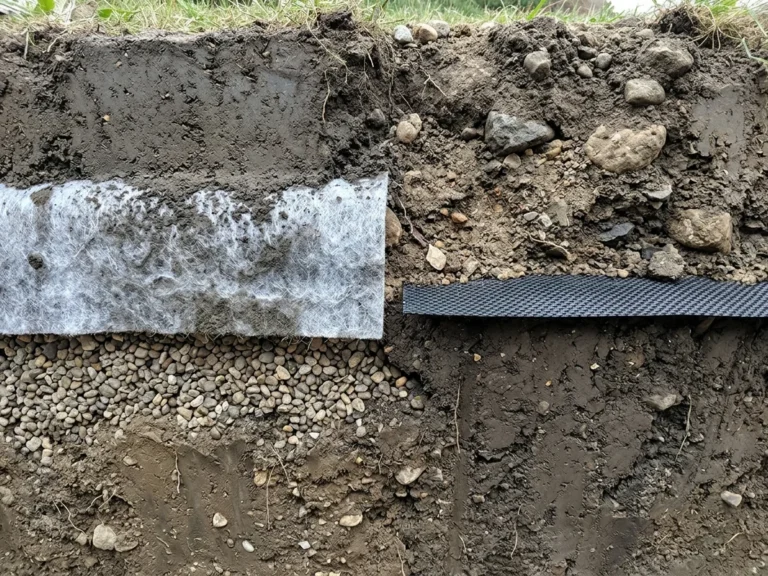
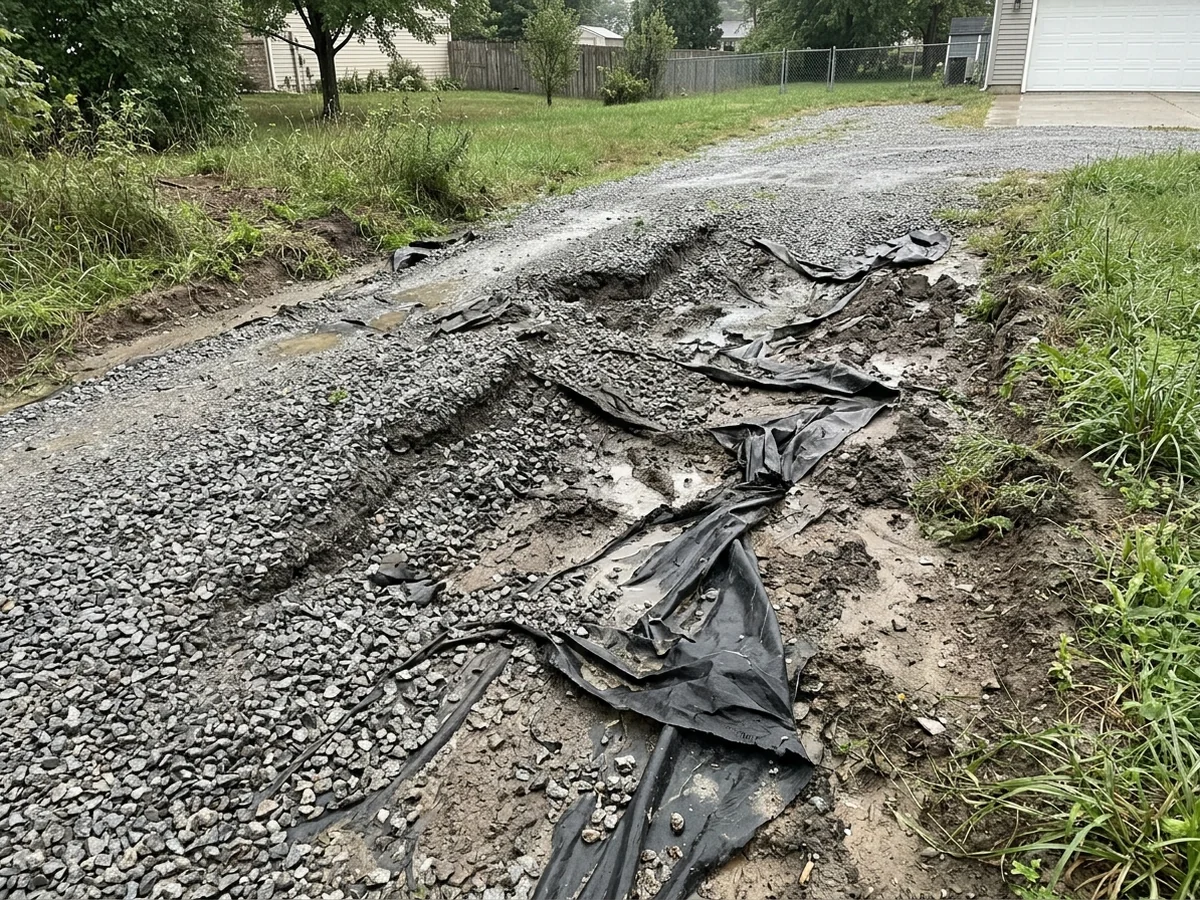
Can Weed Barrier Fabric Replace Heavy Construction Geotextile Under Base?
Introduction
You cannot use weed barrier fabric as a substitute for heavy construction geotextile under a load-bearing base, as the two materials serve entirely different engineering purposes. Understanding the distinction in weed barrier vs geotextile fabric usage is critical to preventing structural failure in projects like driveways or walkways.
This article examines the technical differences between these materials, focusing on why landscape products lack the mechanical properties required for subgrade stabilization. You will learn about the specific performance standards, such as tensile strength and puncture resistance, that separate civil engineering geosynthetics from common garden supplies. We also cover the risks of aggregate migration and subgrade degradation that often occur when the incorrect fabric is installed under heavy loads. By following these technical guidelines, you can ensure your project foundation meets the necessary requirements for long-term durability and structural integrity.
Introduction to Fabric Types
You cannot use landscape fabric for structural support because weed barrier vs geotextile fabric represent two distinct categories of materials designed for different engineering requirements. While both appear as permeable sheets, comparing weed barrier vs geotextile fabric reveals that one serves a horticultural purpose while the other is an engineered component for civil construction.
Consumer-grade weed barriers focus on plant suppression and solarization, often lacking the mechanical properties required for heavy loads. In contrast, civil-grade geosynthetics are manufactured to meet rigorous standards for subgrade stabilization, filtration, and soil separation. Many homeowners mistakenly assume these products are interchangeable because they share similar textures. However, placing a lightweight landscape fabric under an aggregate base often leads to premature pavement failure, rutting, and the migration of soil into your stone layer. This section clarifies the structural differences between these materials to help you choose the correct product for your specific project requirements.
Core Material Differences
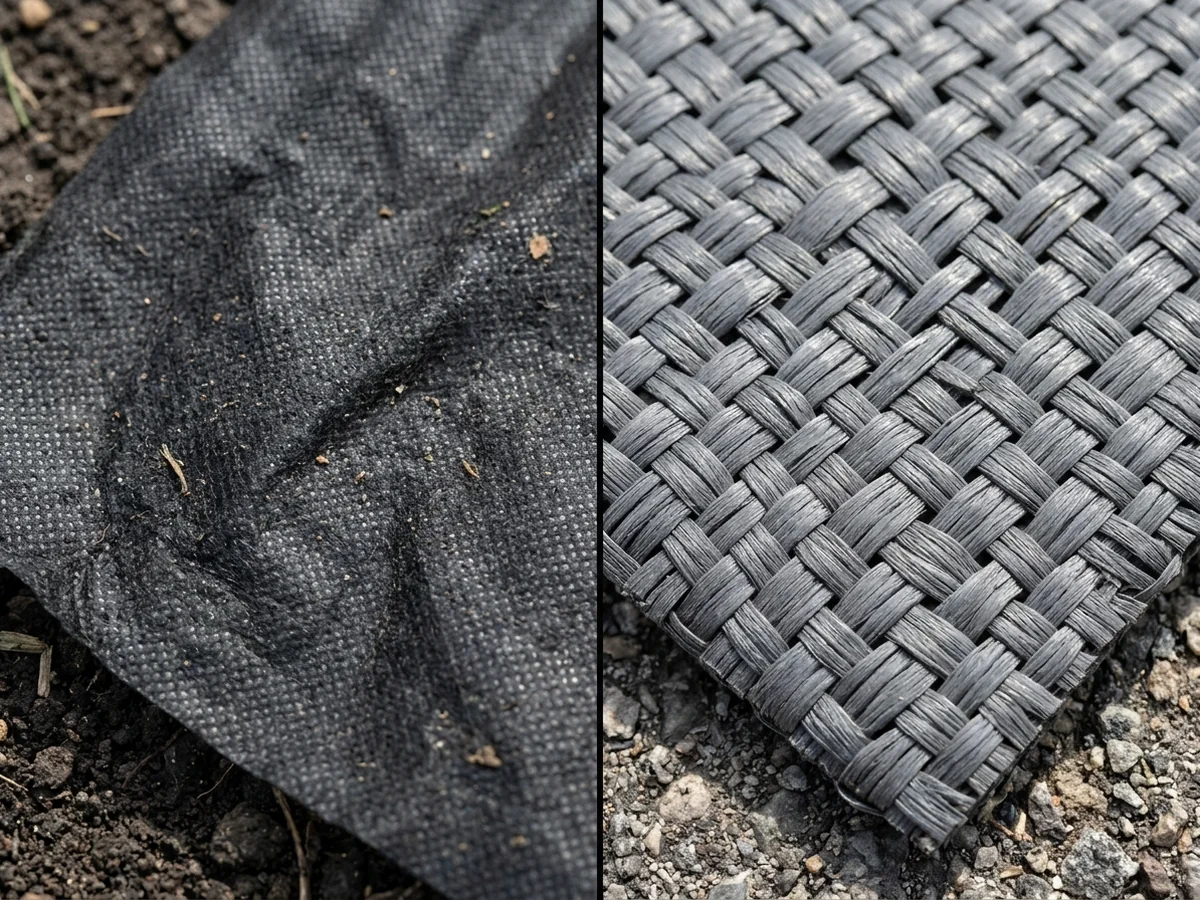
Weed barrier fabric cannot replace structural geosynthetics because their manufacturing processes and performance standards serve entirely different purposes. Landscape fabrics aim to suppress weed growth through solarization, while structural geotextiles undergo rigorous engineering to provide ground stabilization and load-bearing support.
The manufacturing process for landscape material prioritizes thin, lightweight polymers designed to block light. In contrast, structural fabrics are engineered using robust fibers designed to handle high mechanical stress. These construction-grade products must meet strict criteria set by organizations like ASTM International. Testing protocols ensure that structural materials possess the necessary puncture resistance and tensile strength to withstand the weight of aggregate bases and vehicle traffic without tearing.
When choosing between a structural vs non-structural landscape fabric, the distinction lies in the physical integrity of the material under pressure. Weed control options lack the mechanical reinforcement needed to prevent subgrade failure. Specifically, they fail to address key structural requirements:
- Puncture resistance that protects the material from sharp rocks and heavy aggregate.
- Grab tensile strength sufficient to bridge soft soil areas and prevent ruts.
- Consistent permittivity that allows water to move through the soil profile without clogging or washing away fine particles.
Engineering standards, such as those maintained by AASHTO, define the minimum performance thresholds for materials used in transportation and civil construction. Weed barriers are not tested against these benchmarks. Using a lightweight, non-structural material under an aggregate base often leads to premature failure because the fabric cannot maintain the separation between the subgrade and the stone layer. Over time, the pressure from the load forces the aggregate into the underlying soil, causing the surface to sink and become uneven.
These materials serve distinct roles in site development. While landscape fabrics effectively manage vegetation in gardens, they provide no structural value in heavy-duty applications. Relying on them for support ignores the fundamental mechanics of soil stabilization, turning a simple paving project into a long-term maintenance liability.
Mechanical Properties Explained
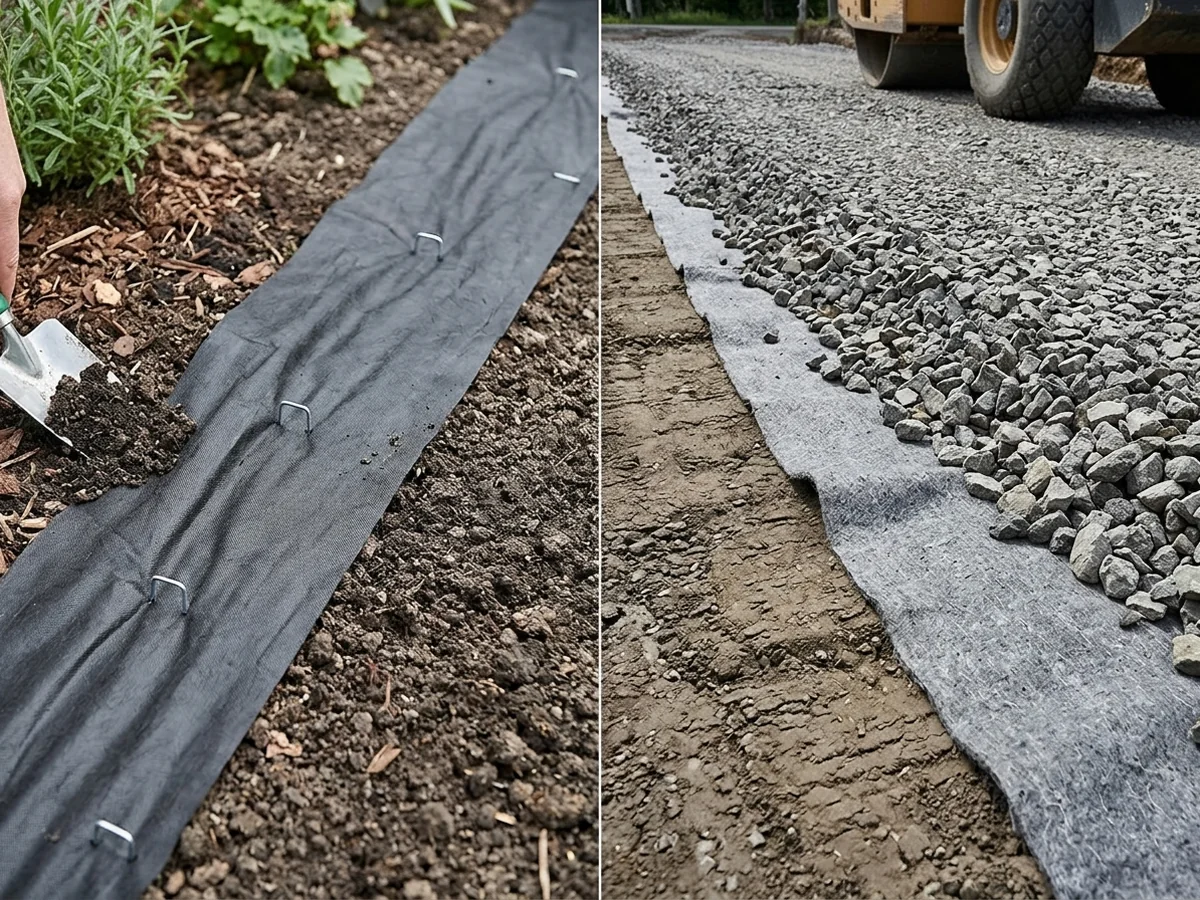
Weed barrier materials cannot substitute for heavy construction geotextiles because they lack the necessary structural integrity to support load-bearing applications. Civil engineering projects rely on fabrics engineered to withstand significant physical stress, whereas standard landscape fabrics are designed solely for thin-layer weed suppression.
Tensile strength represents the maximum load a material can withstand before breaking under tension. In subgrade stabilization, this property prevents the fabric from tearing when aggregate is placed on top or when heavy traffic exerts downward pressure. Puncture resistance describes the ability of the material to resist perforation from sharp stones or debris within the base layer. If a fabric fails these tests, the aggregate will sink into the subgrade, causing the surface to rut and lose its structural stability.
Civil applications require fabrics that meet strict subgrade stabilization requirements to ensure the longevity of the infrastructure. These specifications are developed by organizations like ASTM International to ensure that the geosynthetics used can handle the mechanical demands of a permanent structure. Using a material that is not rated for these specific conditions risks a total failure of the base, as light-duty barriers will quickly degrade under the weight and constant vibration of heavy loads.
Mass per unit area is a critical indicator of a fabric’s durability and overall composition. While this measurement is often expressed in ounces per square yard, the physical thickness is less important than the density and quality of the fibers used. A higher mass typically indicates a more robust material capable of maintaining separation between soil and aggregate over time. Landscape weed barriers are lightweight and generally lack the mass required to sustain a stable barrier between differing soil layers, eventually tearing under the abrasive forces of a heavy driveway or patio base.
- Tensile strength ensures the material holds together under heavy traffic loads.
- Puncture resistance prevents sharp rocks from compromising the fabric layer.
- Consistent mass per unit area provides the necessary durability for long-term soil separation.
Durability and Load Bearing
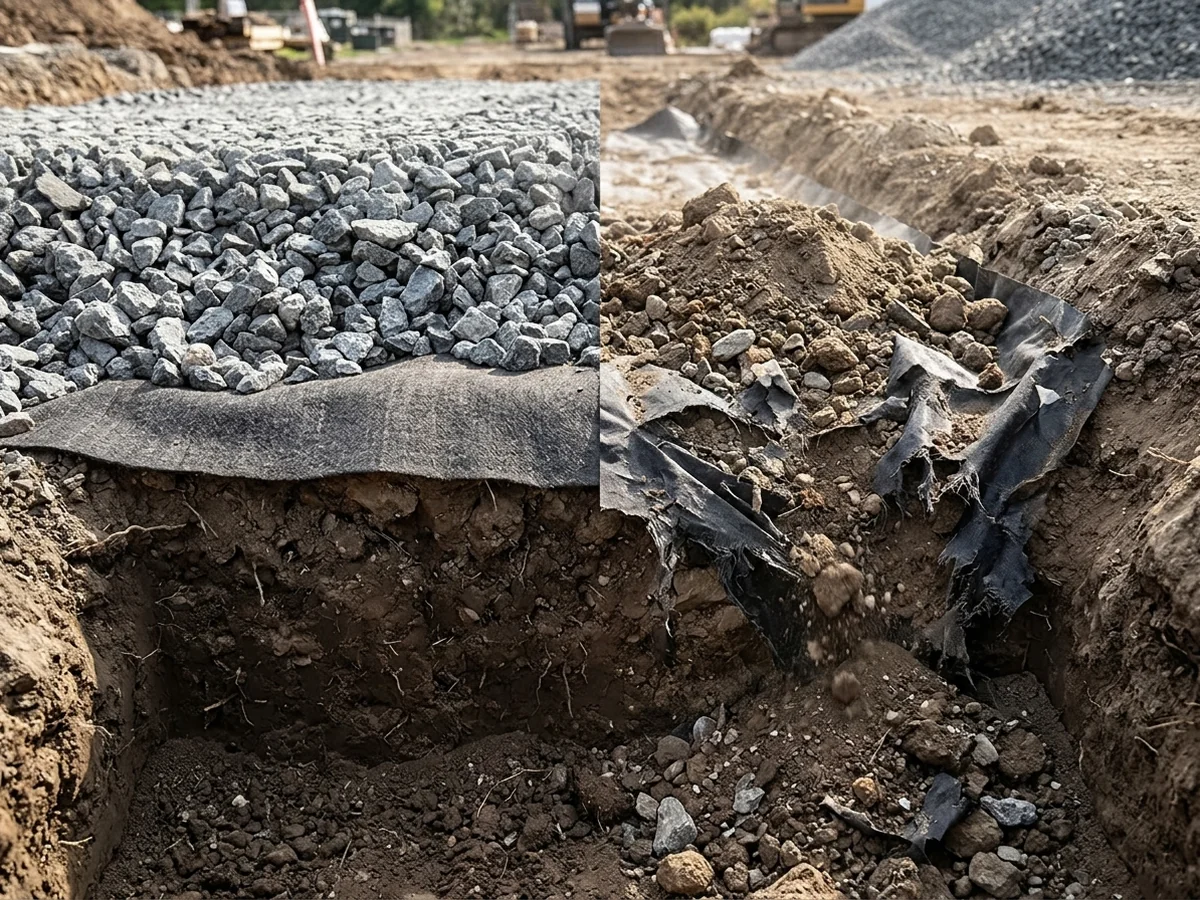
Weed barrier materials cannot replace heavy civil engineering geotextiles because they lack the mechanical properties required to support structural loads. While landscape fabrics are intended for light-duty garden use, structural geotextiles undergo rigorous testing to ensure they can withstand the stress of heavy aggregate and vehicle traffic.
The industry relies on AASHTO M288 standards to classify fabrics for transportation projects. These guidelines define specific survival and installation requirements, including puncture resistance and tensile strength, to ensure the material performs under real-world conditions. Materials that do not meet these engineering benchmarks are generally considered unsuitable for load-bearing applications.
Residential projects often fail when installers ignore professional construction specifications in favor of cheaper, readily available landscape options. Using a non-structural fabric under an aggregate base often leads to common infrastructure issues:
- Aggregate migration into the soft subgrade, which causes the base layer to lose its integrity.
- Permanent rutting and uneven settling under paths or driveways.
- Premature material degradation when the fabric is subjected to the mechanical abrasion of sharp, heavy rock.
Professional construction geotextiles are engineered to survive the installation process and the lifetime of the project. They provide the necessary separation between the subgrade and the base material while maintaining drainage capabilities. In contrast, landscape fabrics are typically designed for surface applications like mulch beds where they are not exposed to the high-pressure environment of a base layer. Relying on products without proven structural ratings risks the long-term stability of your project.
Risks of Improper Application
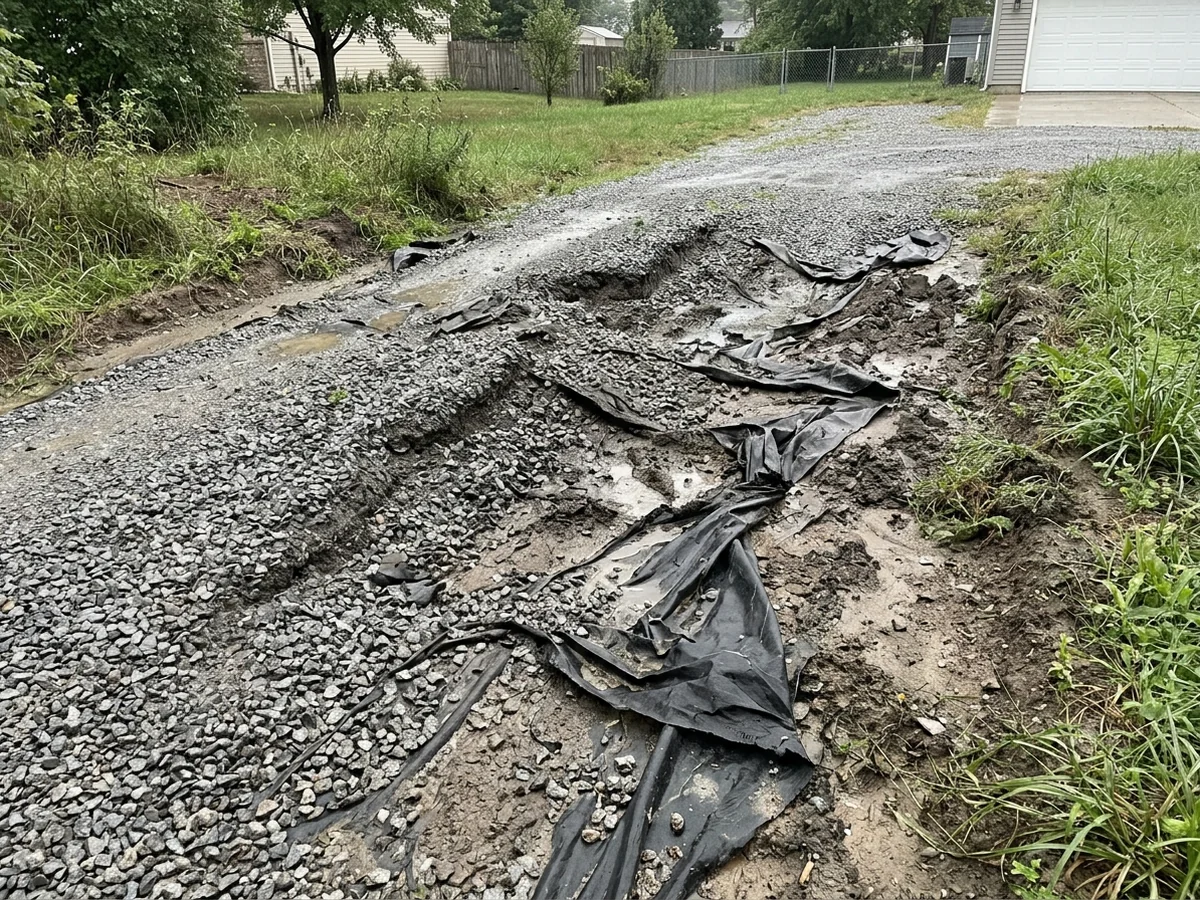
Weed barrier fabric cannot replace heavy construction geotextile under a base because it lacks the necessary structural integrity to handle load-bearing applications. When evaluating weed barrier vs geotextile fabric, it becomes clear that materials designed for simple garden weed suppression fail to meet the mechanical demands of an aggregate base installation.
The primary role of a structural fabric is to maintain the separation between the subgrade soil and the aggregate layers. Without a proper geosynthetic barrier, the heavy weight of vehicles or foot traffic forces aggregate particles downward into the soft subgrade. Simultaneously, the fine particles from the subgrade migrate upward into the base material.
This process of contamination creates several long-term structural issues:
- Loss of base thickness as aggregate sinks into the subgrade.
- Increased surface rutting and uneven settling over time.
- Loss of structural load-bearing capacity as the base material becomes compromised by soil.
Mechanical abrasion is another critical failure point. Weed barriers are typically thin and designed for light garden use rather than the sharp, heavy stones common in driveway construction. As the aggregate shifts under load, the stones puncture and tear the lightweight material. Once the fabric is compromised, it can no longer prevent the mixing of soil and stone, effectively rendering the installation useless.
Hydrostatic pressure also poses a significant risk when using the wrong material. Proper geotextile fabric for driveway projects is engineered to allow water to pass through while retaining soil particles, preventing the buildup of pressure beneath the base. In contrast, many weed barriers have inconsistent or insufficient drainage properties. If the fabric traps water rather than allowing it to drain properly, the underlying soil becomes saturated and unstable.
This trapped moisture acts as a lubricant for soil particles, further accelerating the sinking of the aggregate. Over time, this hydrostatic pressure can cause the surface to heave or develop soft spots, leading to premature failure of the paved area. Because these garden-grade fabrics lack the required tensile strength and puncture resistance, they simply cannot handle the stresses inherent in structural civil applications.
Comparison and Selection Guide
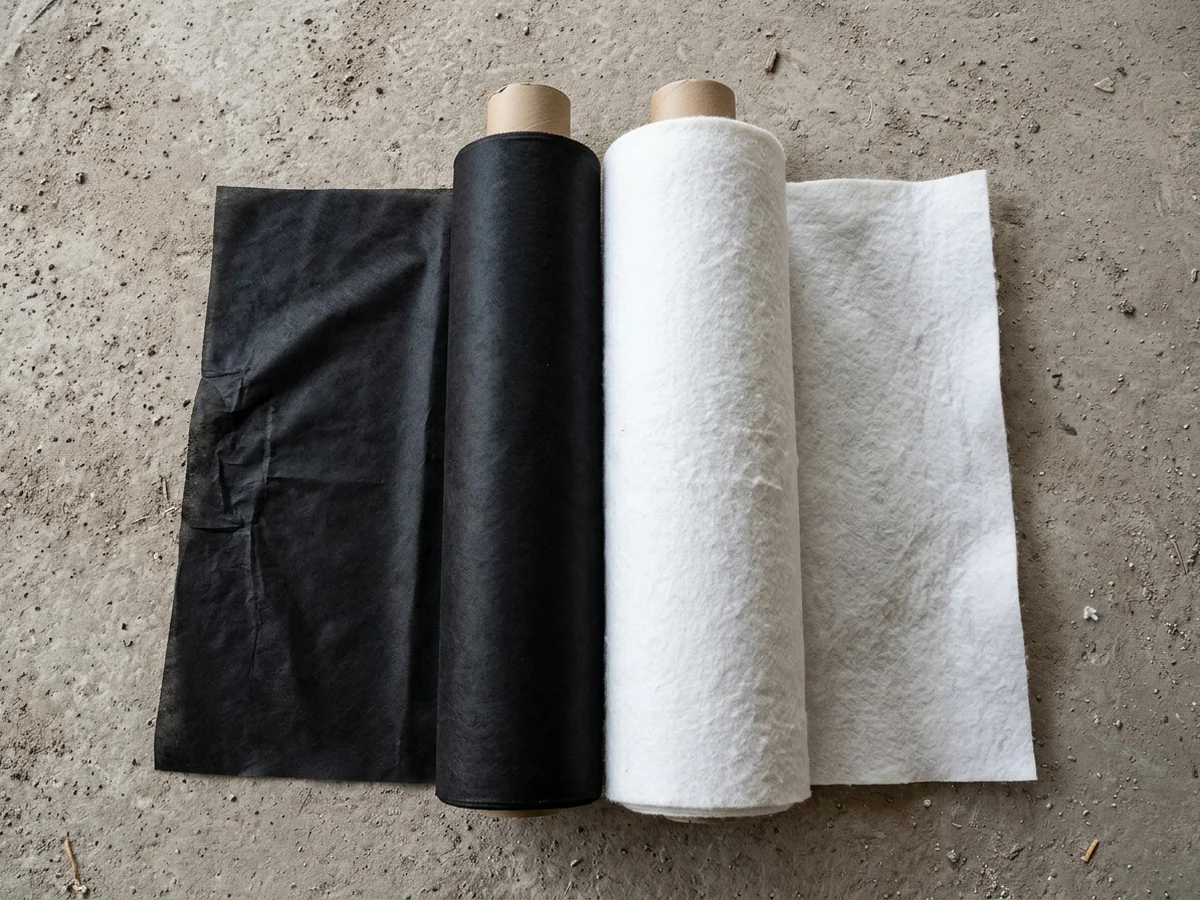
You should never use weed suppression material as a substitute for civil-grade stabilization fabric in load-bearing projects. Weed barriers are designed for light-duty garden applications, while geotextiles are engineered to manage the mechanical stresses of structural bases.
| Feature | Weed Barrier | Civil Geotextile |
|---|---|---|
| Primary Purpose | Plant growth control | Soil separation and stabilization |
| Mechanical Strength | Low | High |
| Load-Bearing Capacity | None | Engineered for traffic loads |
| Aggregate Interaction | Prone to tearing | Designed for abrasion resistance |
The distinction between these materials centers on their intended performance metrics. Non-structural weed barriers lack the puncture resistance and tensile strength required to prevent aggregate migration into the subgrade. When heavy loads like vehicles or stone pavers sit atop a weak fabric, the material often ruptures or stretches, causing the base to lose its integrity. This failure commonly results in surface ruts and uneven settling because the fabric cannot maintain the necessary separation between soil and base materials.
Identifying your project type is the first step in selecting the correct material. Non-structural applications include decorative garden beds, mulched walkways, or areas with no foot or vehicle traffic. In these settings, the fabric only needs to allow water to pass while preventing plant growth. If your project involves a driveway, a paver patio, or any area supporting heavy weight, you must use a product that meets civil engineering specifications for stabilization and separation. These professional-grade geosynthetics are manufactured to endure the mechanical pressures that would quickly destroy standard landscape fabrics.
Consulting professional standards is a reliable way to ensure you have the right support for your subgrade. Organizations such as AASHTO provide guidelines for materials used in transportation projects, which emphasize the need for specific physical properties like permittivity and puncture resistance. While a hardware store weed barrier might look similar to a structural fabric, the manufacturing processes differ significantly. Using the wrong material under an aggregate base is a common error that leads to premature structural failure, requiring costly repairs to fix the sagging or rutting that inevitably develops.
Common Installation Mistakes
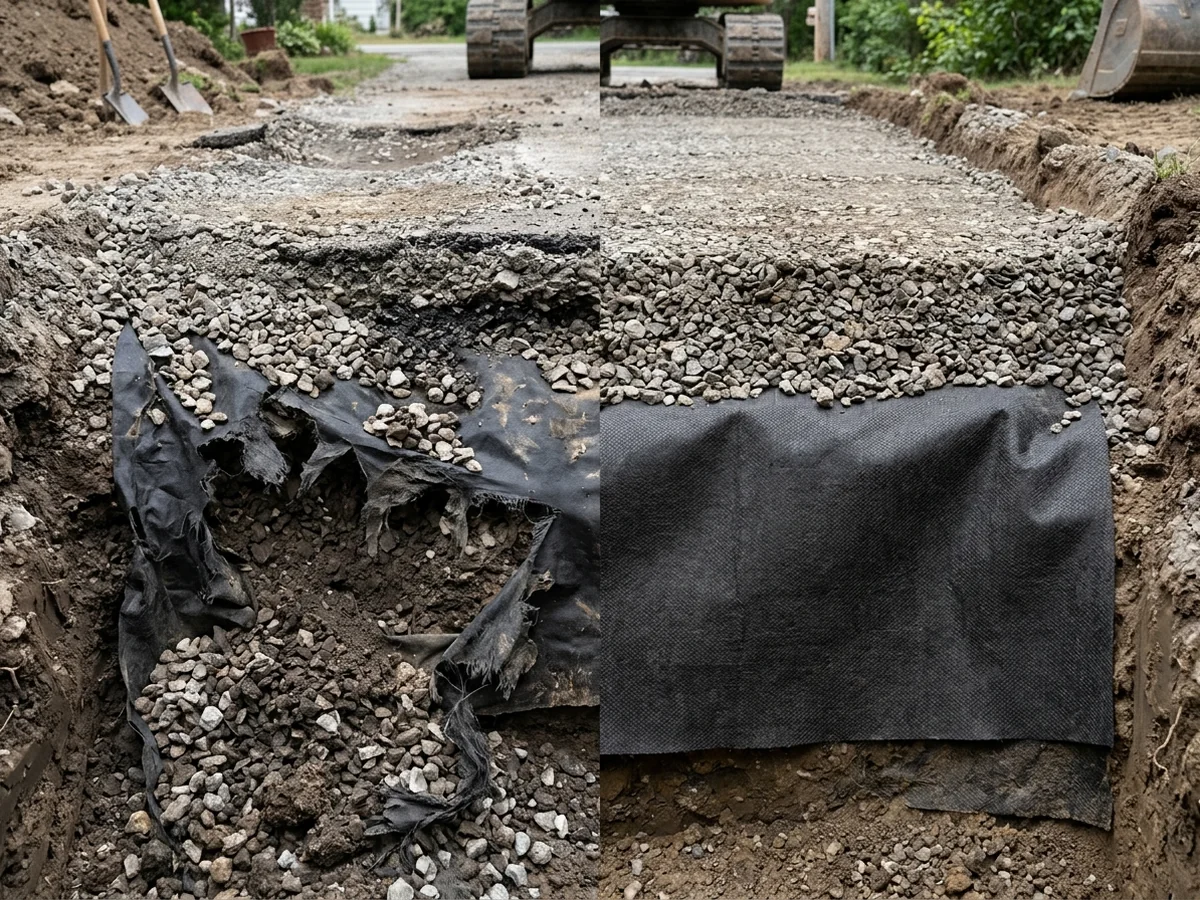
Attempting to use landscape fabric for structural support is a primary cause of early project failure, as these materials lack the physical properties required to bear heavy loads. Relying on weed barriers for stabilization instead of engineering-grade geosynthetics often leads to significant settling, rutting, and the eventual mixing of aggregate with the subgrade.
Site preparation is the foundation of any long-term paving project, and cutting corners here rarely pays off. Builders who skip essential steps or use incorrect materials frequently see their hard work deteriorate within a single season. Avoiding these errors is critical for maintaining the integrity of your project:
- Failing to adequately prepare the subgrade, such as by not achieving proper compaction or clearing organic debris, creates soft spots that lead to uneven settling.
- Improper overlap of fabric panels creates weak seams where the subgrade and aggregate can mix, effectively bypassing the separation layer entirely.
- Assuming that a thin weed control sheet provides structural reinforcement is a dangerous misconception, as these materials lack the tensile strength to distribute weight.
- Neglecting to account for long-term puncture resistance means that sharp edges of heavy stone or gravel can shred the fabric under the pressure of vehicle traffic.
- Using materials that do not meet the necessary specifications for drainage can trap water beneath your base, leading to hydrostatic pressure buildup and unstable ground.
- Overlooking the need for a continuous, tensioned layer of fabric allows the aggregate base to shift and migrate into the soil below, destroying the load-bearing capacity of the surface.
Understanding the distinction between these materials is essential for long-term performance. While a garden-grade fabric might effectively suppress weeds in a flower bed, it is not engineered to withstand the mechanical abrasion or the weight of a driveway or patio base. Once the fabric fails beneath a load, the structural stability of the entire system is compromised, often requiring a complete excavation and reconstruction to correct the damage.
Which Fabric to Choose

You should always select a dedicated construction geotextile rather than a garden weed barrier when building load-bearing structures like driveways. Using lightweight landscape materials for structural support creates significant risks because they lack the mechanical properties required to withstand heavy, shifting aggregate.
High-traffic driveways and steep slopes require materials capable of managing intense physical stress. A standard weed barrier is designed for light duty, such as suppressing plant growth in garden beds. These materials often fail under the weight of vehicles or the lateral pressure found on inclines, leading to ruts, base instability, and the mixing of expensive aggregate into the soft subgrade below.
Professional engineering consultation becomes necessary whenever you are working with questionable soil stability or complex site conditions. If your project involves soft clay, high water tables, or steep gradients, a generic approach is insufficient. Experts can determine the specific subgrade stabilization requirements for your site, ensuring the selected geosynthetics provide the required tensile strength and puncture resistance to prevent failure.
Complex drainage scenarios demand the use of certified geosynthetics that meet rigorous industry benchmarks. These projects often involve managing subsurface water flow, which requires materials tested for specific permittivity and flow rates. Choosing the wrong fabric in these instances can cause hydrostatic pressure to build up behind or beneath your base, which may wash away fines and destabilize the entire installation.
- Identify the load-bearing requirements: Residential driveways require structural support, whereas garden paths do not.
- Check for certification: Structural projects often rely on materials tested against standards like those maintained by AASHTO or ASTM International.
- Assess the site soil: Heavy or wet soil types require high-performance separation fabrics to maintain structural integrity.
- Review manufacturer specifications: Always confirm that a product is rated for subgrade stabilization before placing it beneath heavy stone or gravel.
Relying on lightweight landscaping products for structural applications often leads to premature failure. While these materials effectively separate soil from mulch in a garden, they are not engineered to survive the mechanical abrasion of heavy aggregate. When you choose materials based on engineering standards rather than convenience, you protect your investment from costly repairs caused by uneven settling or structural collapse.
FAQ
Can I use weed barrier under a paver patio?
Using weed barrier fabric under a paver patio is generally discouraged because it lacks the necessary structural properties to handle weight and pressure. Standard landscape fabrics are not designed to manage the loads typical of patio construction, which can lead to base instability over time.
Why does my driveway have ruts after using cheap fabric?
Ruts often appear in driveways because the chosen material was not engineered for subgrade stabilization or high-load applications. When a fabric lacks sufficient puncture resistance and tensile strength, it cannot prevent aggregate base migration into the subgrade, causing the surface to sink and deform under the weight of vehicles.
What is the difference between woven and non-woven fabric?
The primary difference lies in the manufacturing process and intended use, with non-woven materials often used for drainage and filtration and woven materials offering higher strength for reinforcement. While both are types of geosynthetics, choosing the wrong type for a specific engineering task can compromise the entire project foundation.
Does weed barrier prevent soil and gravel from mixing?
While weed barrier fabric may provide a temporary physical separation between soil and gravel, it is not engineered to handle the mechanical stresses that cause these materials to mix over time. In contrast, structural geotextile fabric is specifically tested to maintain separation under heavy loads, ensuring the integrity of the aggregate base.
Are there industry standards for choosing construction fabric?
Construction projects often reference standards from organizations like AASHTO and ASTM International to determine the correct specifications for a given site. Relying on these technical guidelines helps ensure that the materials used meet the required levels of strength, durability, and performance for long-term load-bearing applications.
Conclusion
Weed barrier fabric cannot serve as a structural replacement for heavy construction geotextile under a load-bearing base. If your project involves a driveway, patio, or path that must support significant weight, prioritize materials tested for puncture resistance and tensile strength. Choosing the correct product is essential to prevent long-term structural failure, such as rutting or the migration of base aggregate into the subgrade. When evaluating the differences between a weed barrier vs geotextile fabric, consult professional engineering guidelines or local building codes to ensure your base installation meets the necessary requirements for durability and stability. Always verify that your chosen material aligns with the specific load-bearing needs of your project site.
You might also like: How Deep Should You Dig for a Paver Patio (The 4″ to 6″ Ba