Why Paver Edges Shift and Spread Without Heavy Plastic Edge Restraints
Introduction
Over time, paver edges shift without edge restraints because outward forces from traffic and weather push exterior units outward from the main field. Without physical containment, perimeter units lose their alignment and structural support.
This article examines the mechanical causes behind structural movement in hardscapes. Readers will learn how soil mechanics, traffic loads, and environmental factors contribute to perimeter failure, alongside methods to secure perimeters effectively.
Why Paver Edges Fail
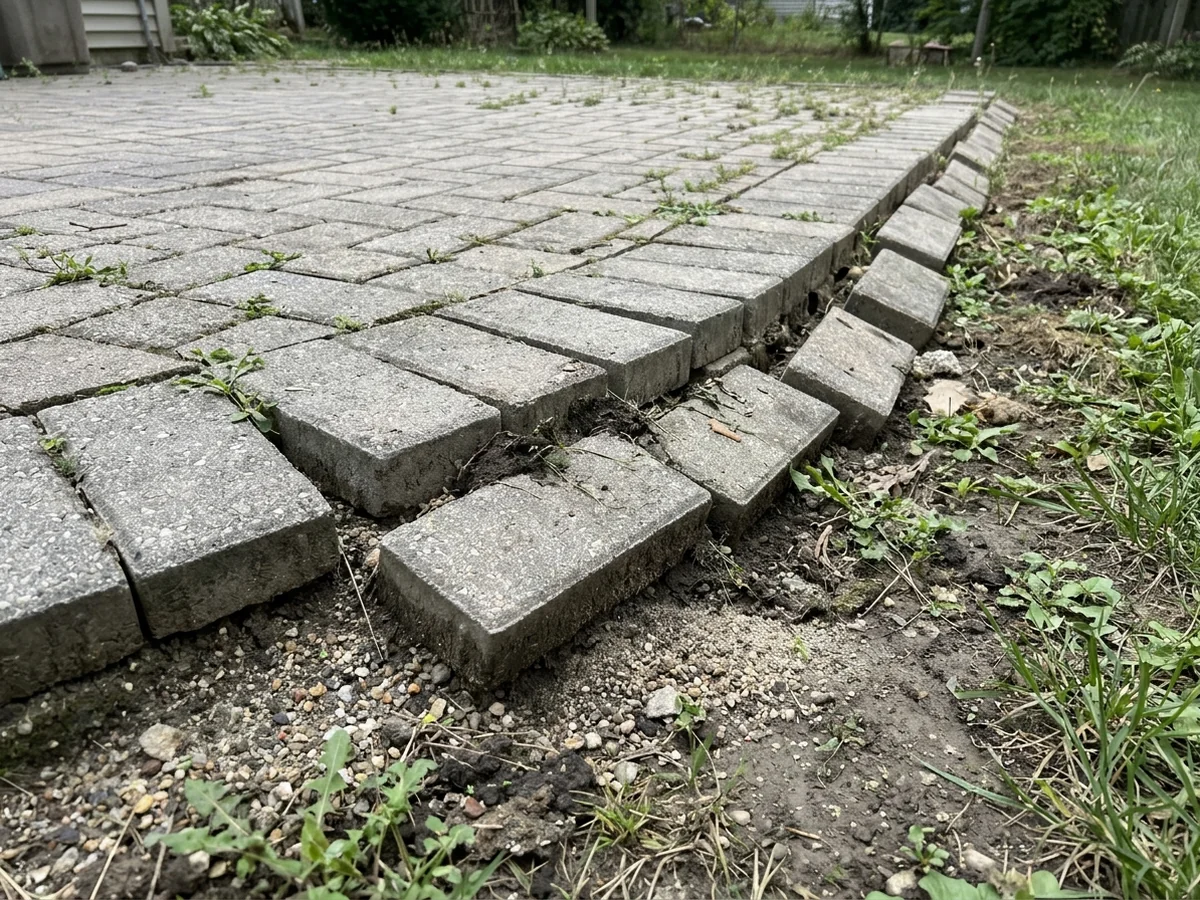
Perimeter containment acts as the mechanical anchor for a hardscape, essential for maintaining the structural integrity of the entire field. When a hardscape is installed, the perimeter serves as the boundary that resists outward forces. If these boundaries are inadequate, the pavers begin to lose their alignment.
Because paver edges shift without edge restraints under normal everyday use, the entire system can gradually destabilize. This process often begins when the outermost units start to migrate away from the main field, creating gaps that compromise the assembly.
The Mechanics of Spreading
The primary causes of paver spreading involve a combination of structural load and environmental factors. When traffic, whether foot or vehicular, is applied to the surface, it generates horizontal pressure that pushes against the perimeter. Without a rigid boundary to counteract this energy, the outward force causes the units to slide.
This movement is often exacerbated by moisture infiltration and seasonal ground changes. Soil saturation or freeze-thaw cycles can alter the density of the subgrade, causing the base material to shift beneath the pavers. As the foundation moves, the lack of a secure edge restraint allows the perimeter to drift, which eventually leads to widening joints and uneven surfaces.
Consequences of Improper Containment
When edges are left unconstrained, the entire hardscape experiences a reduction in load-bearing capacity. The system relies on the collective resistance of the units to distribute weight effectively. Once the perimeter units lose their position, they no longer support the interior stones.
This leads to a domino effect where the joint material may wash out or fall into the newly formed gaps, further weakening the structural bond. Homeowners often notice signs of failure, such as loose border stones or a noticeable dip at the patio edge, which indicate that the paver base stability has been compromised.
Selecting the Right System
To prevent these issues, property owners must ensure that the chosen containment method matches the specific requirements of the project site. Common containment options include plastic, metal, or concrete edgings, each offering different levels of rigidity and longevity. Proper installation is critical to success.
This involves ensuring the edge restraint is positioned correctly against the base aggregate and, in many cases, secured into the subgrade to prevent horizontal movement. Maintenance inspections should be performed annually to check for any signs of separation. If movement is detected, retrofitting the perimeter with a suitable restraint system is often necessary to prevent further degradation. Addressing these structural needs during the initial planning phase is the most effective way to ensure a durable, long-lasting hardscape that withstands the test of time.
Causes Of Paver Movement
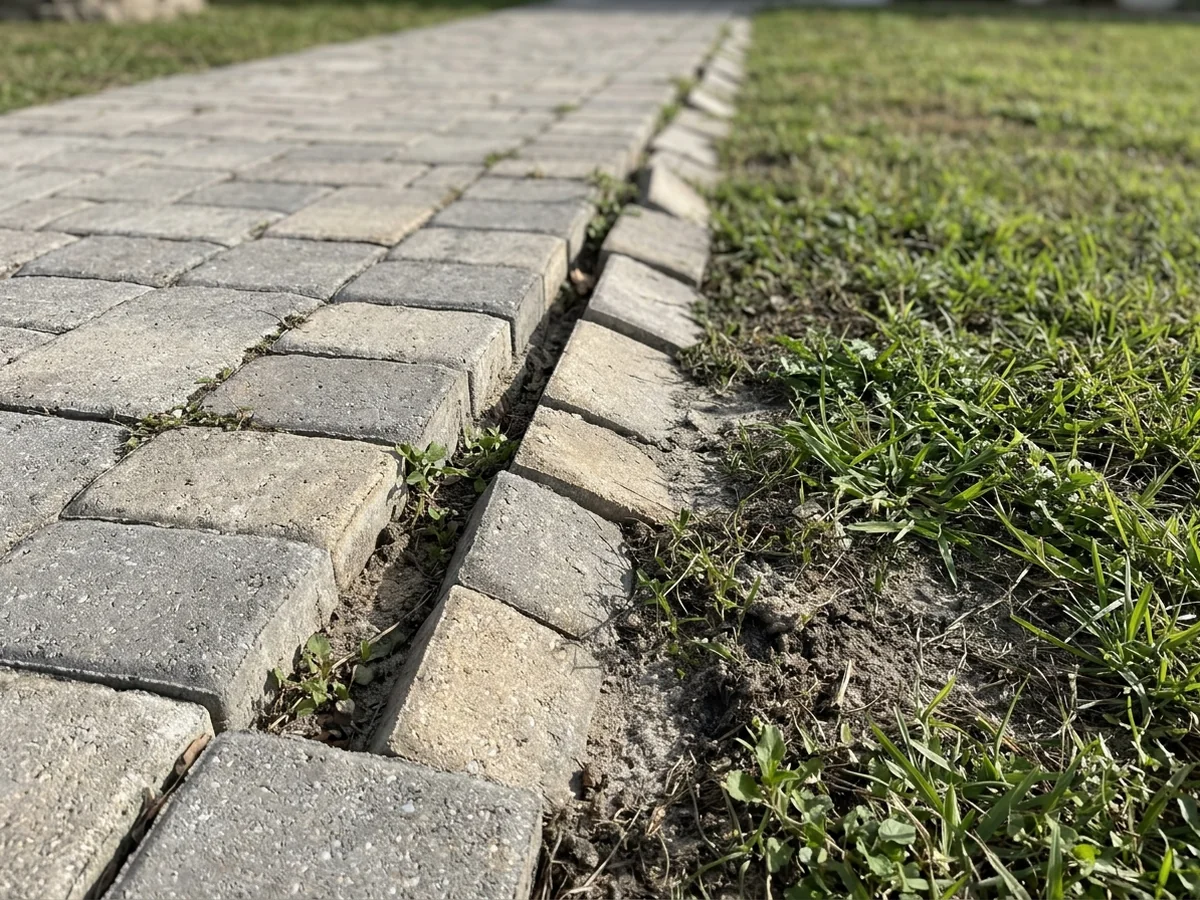
The structural integrity of a hardscape depends on the confinement of its perimeter. When paver edges shift without edge restraints, the entire installation loses its stability. Understanding the mechanical forces at play helps property owners identify the causes of paver spreading and implement corrective measures before the damage becomes irreversible.
Lateral Pressure and Load Distribution
Interlocking concrete paver failure often originates from the constant application of kinetic energy. Foot traffic and heavier vehicle loads exert significant lateral pressure on the surface. Because individual units are not fused together, they rely on the collective strength of the group to resist displacement. Without a structural boundary, these forces push the outer units outward. Over time, this migration causes the perimeter to pull away from the main field, resulting in unsightly gaps that compromise the entire layout.
Environmental and Sub-base Instability
The sub-base acts as the foundation for the entire system, and its movement directly dictates the stability of the surface. Temperature fluctuations trigger expansion and contraction within the underlying soil and base materials. In colder climates, freeze-thaw cycles further destabilize the foundation, as moisture trapped in the sub-base expands and shifts the support structure. If the edges are not adequately secured, this movement allows the base to migrate, leading to uneven settling and a loss of paver base stability.
Common Installation and Material Failures
Many issues stem from how to secure paver perimeter areas during the initial phase. Common mistakes include inadequate subgrade compaction, which leaves the foundation susceptible to shifting, or the choice of improper containment materials. While plastic, metal, and concrete are standard options, their effectiveness depends on proper installation techniques. Failing to anchor these restraints deeply enough into the subgrade allows them to tilt or lift under pressure, effectively rendering them useless against lateral forces.
| Material Type | Primary Characteristics |
|---|---|
| Plastic | Flexible, easy to install, often uses spikes for anchoring. |
| Metal | Highly rigid, durable, ideal for straight, defined edges. |
| Concrete | Permanent, provides maximum structural support for heavy traffic. |
Once gaps form due to these factors, water and debris infiltrate the foundation, accelerating the deterioration of the sand layer and sub-base. Addressing these mechanical risks through proper edge restraint installation is the most effective way to protect a hardscape against structural failure and ensure the surface remains level, secure, and visually consistent over the long term.
Physics Of Load Distribution
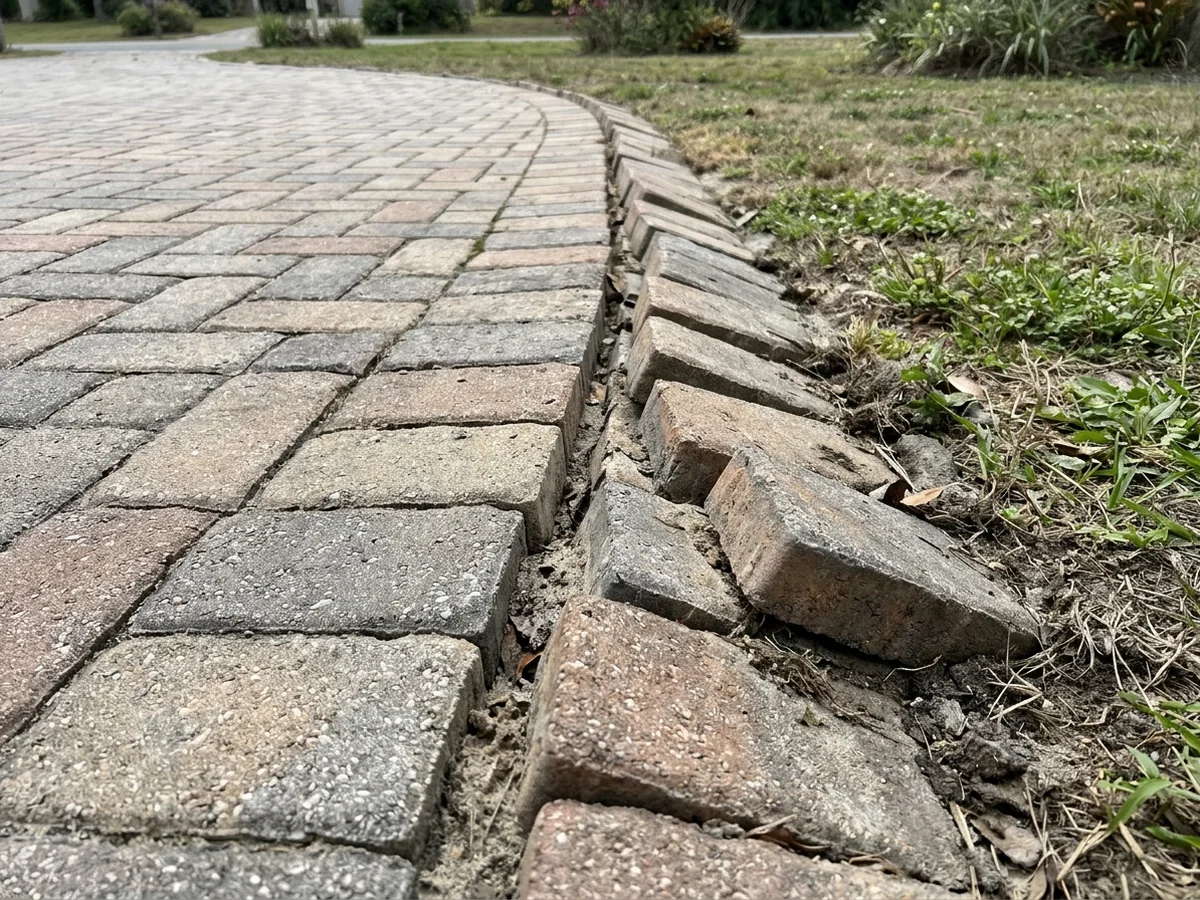
The structural integrity of a hardscape system relies on the containment of its perimeter. When pavers are installed, they function as a load-sharing system. As downward force from pedestrian or vehicular traffic is applied to the surface, that energy must be managed through the units and into the underlying aggregate base. If the outer perimeter lacks a rigid boundary, the lateral component of this downward force causes individual units to push outward. Over time, paver edges shift without edge restraints because the base materials and the paving units lose the lateral resistance necessary to remain in their original positions.
The Mechanics of Lateral Thrust
When weight is applied to a pavement surface, the load does not travel purely vertically. The geometry of the units and the granular nature of the base material cause the force to dissipate at an angle. This creates lateral thrust that pushes against the edges of the installation. If the perimeter is not constrained, this energy overcomes the passive resistance of the surrounding soil. This process leads to the gradual migration of outer units, resulting in widening joints and potential structural failure. In residential settings, ensuring that edge restraints are properly anchored is essential to maintaining the cohesion of the entire assembly.
Impact of Environmental Factors
Beyond the immediate effects of traffic, environmental conditions play a significant role in pavement stability. Soil moisture content and temperature fluctuations influence the subgrade and the aggregate base. As these materials expand and contract, they exert pressure on the edges of the pavement. Without a fixed perimeter, these seasonal shifts accelerate the displacement of the outer row of pavers. When the subgrade is not adequately compacted, or when the edge restraint is improperly secured, the system becomes vulnerable to these environmental forces, which can lead to sagging or spreading over time.
Selecting and Installing Restraints
To address the risks of movement, contractors and homeowners typically use one of three primary options for containment: plastic, metal, or concrete edgings. Each material offers different levels of rigidity and ease of installation. Proper paver edge restraint installation requires careful attention to the sub-base. A frequent mistake is placing restraints directly on uncompacted subgrade, which allows the entire edge assembly to tilt outward under weight. The aggregate base must be extended beyond the outer edge of the pavers and compacted thoroughly to provide a stable foundation for the restraint system.
| Material | Primary Benefit | Common Application |
|---|---|---|
| Plastic | Flexible for curves | Residential patios |
| Metal | Low profile, durable | Straight garden edges |
| Concrete | High rigidity | Driveways, heavy traffic |
Understanding these principles of load distribution helps in preventing the common causes of paver spreading. By ensuring the perimeter is held by a rigid, properly anchored system, the downward energy of traffic is distributed evenly across the entire surface rather than bleeding into the surrounding landscape. Regular inspection of the perimeter allows for the identification of early signs of movement, enabling adjustments before the structural stability of the installation is compromised.
Types Of Edge Restraints
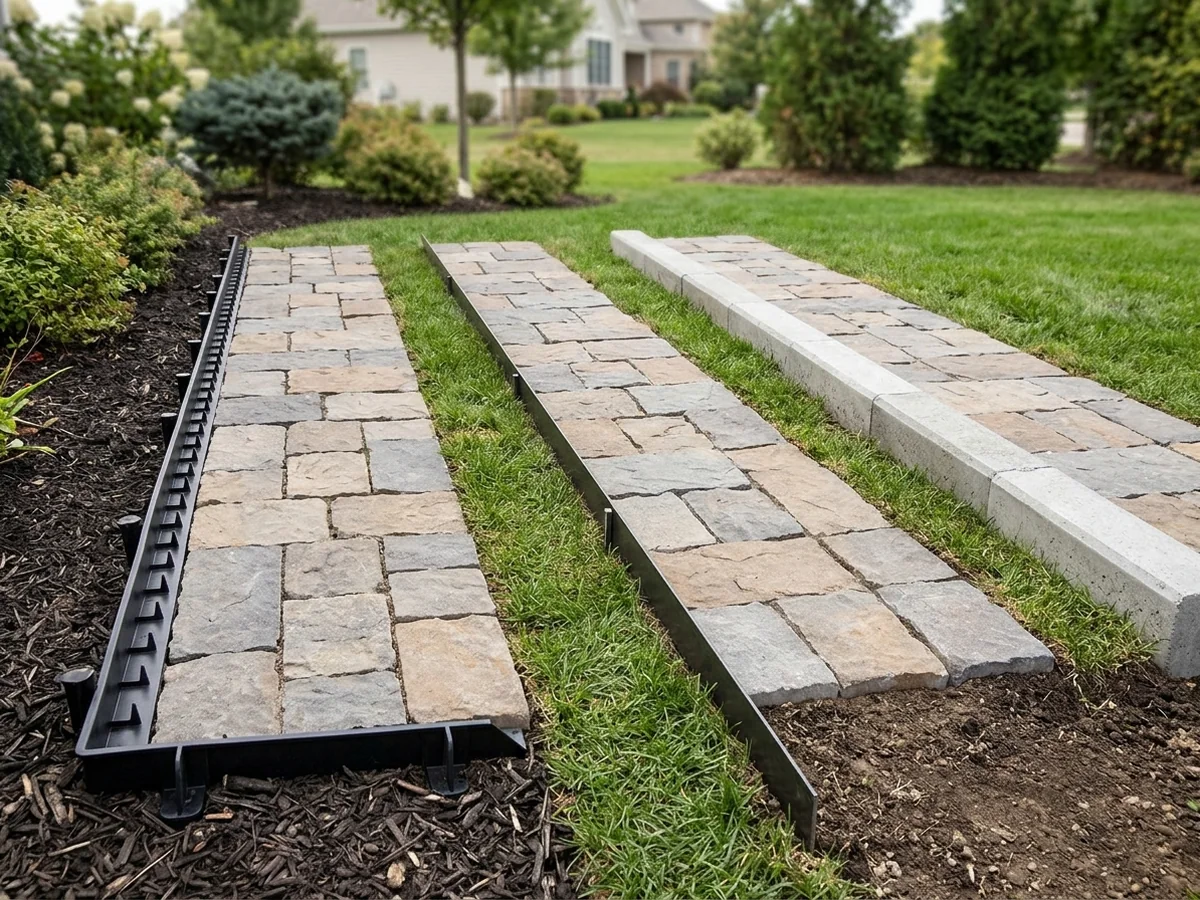
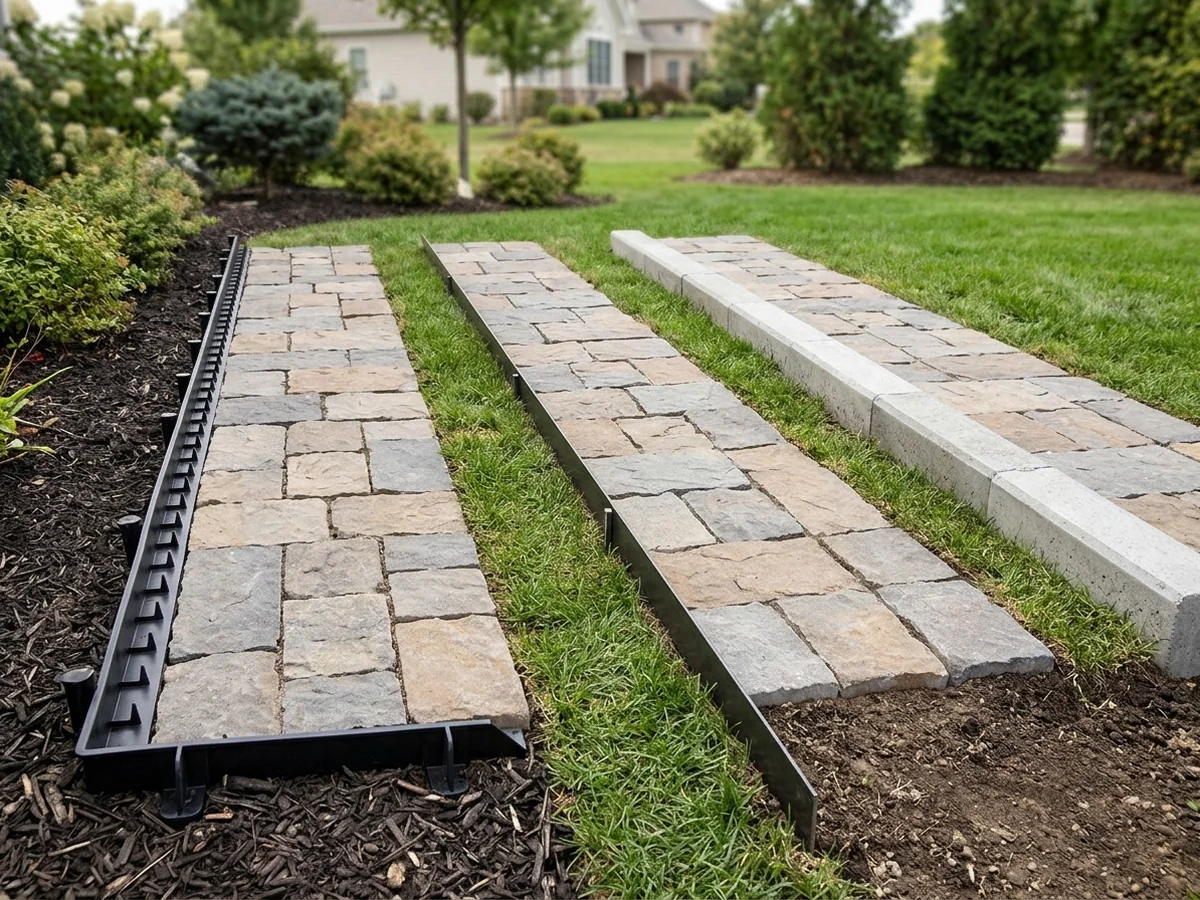
Selecting the correct containment material is essential for long-term hardscape durability. In residential applications, plastic, metal, or concrete edgings are the three primary options for containment to ensure stability. Different materials offer distinct structural benefits depending on site conditions, ranging from tight curves to heavy load applications.
| Material | Flexibility | Common Application |
|---|---|---|
| Plastic | Flexible | Curved and straight paths |
| Metal | Semi-rigid | Straight lines and low profiles |
| Concrete | Rigid | Heavy traffic residential zones |
Rigid systems work well in stable soils, while flexible systems accommodate movement in variable subgrades. When choosing between these products, consider how paver edges shift without edge restraints over seasonal temperature changes and weathering. Different materials interact with the crushed stone aggregate base and subgrade compaction in unique ways.
Evaluating Plastic and Metal Systems
Plastic systems allow for easy manipulation around intricate garden beds and winding walkways. They adapt well to ground adjustments and temperature shifts. Metal products offer a cleaner, less visible line that blends into turf or landscape beds while maintaining structural boundaries. Both options require proper anchoring into the underlying aggregate base to prevent separation over time. Subgrade compaction plays a major role in how well these materials hold their position under pressure.
Utilizing Concrete Restraints
Concrete options provide permanent structural mass, often utilized in areas subject to heavier use. This rigid approach suits stable ground conditions where lateral spreading is a primary concern. Matching the restraint material to the subgrade compaction level prevents premature interlocking concrete paver failure and preserves the overall layout. Choosing a rigid concrete restraint for variable native soils that experience frequent ground movement often leads to cracking and separation.
Matching Materials to Site Conditions
Evaluating site traffic, soil composition, and climate conditions ensures the chosen restraint maintains boundary integrity through changing seasons. Variable subgrades require flexible options that move harmoniously with the soil, whereas stable, heavily loaded zones benefit from the unyielding nature of concrete. Proper paver edge restraint installation protects the perimeter and supports paver base stability across all project types.
Retrofitting Existing Paver Edges
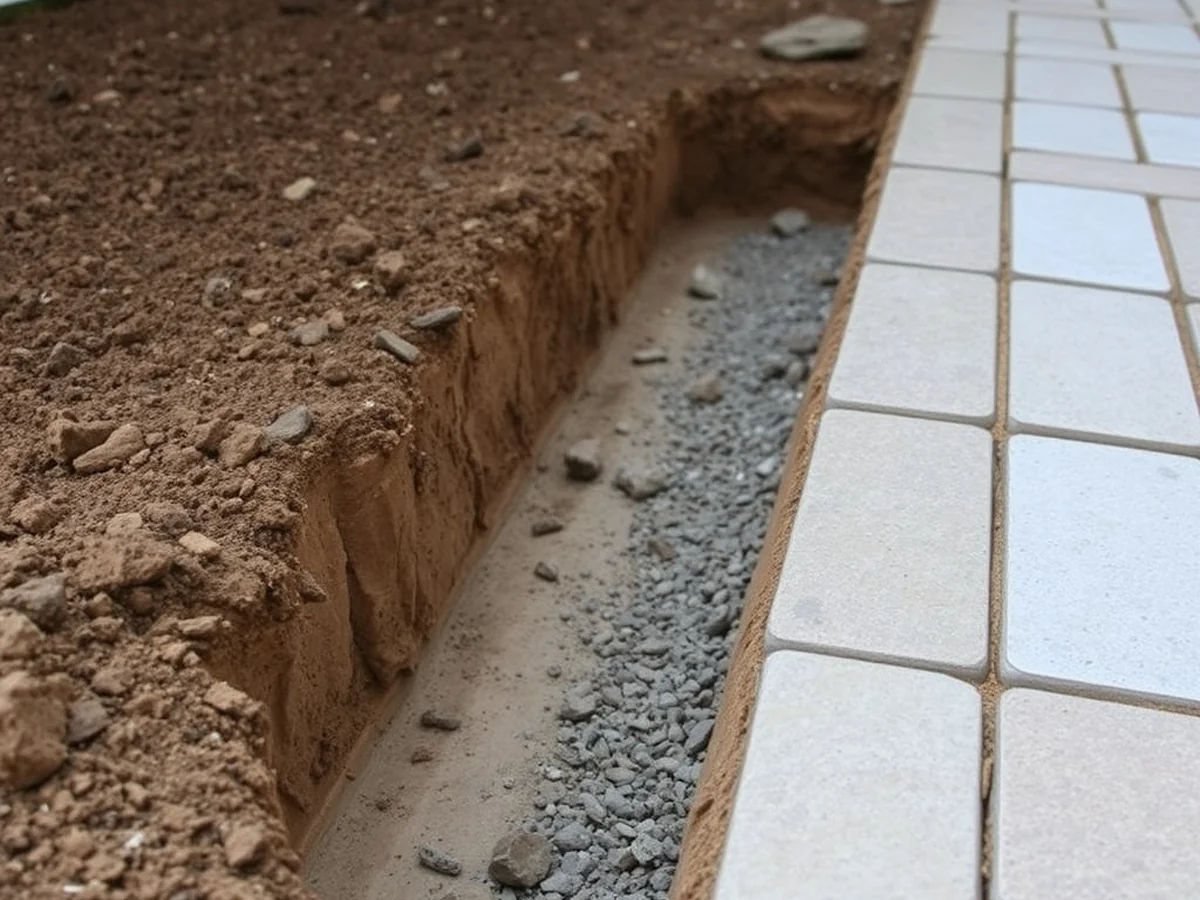
When the perimeter of a hardscape begins to separate or drift, it often indicates that the installation lacks sufficient lateral support. Addressing these shifting borders requires a focused approach that prioritizes the stability of the main field while reinforcing the boundary. Understanding why paver edges shift without edge restraints is the first step in correcting structural movement that threatens the integrity of your patio or path.
Identifying Signs of Instability
Before beginning repairs, carefully inspect the entire perimeter. Common indicators of structural stress include widened joints between units, visible gaps between the pavers and the surrounding landscape, and sections where the edge units have tilted or sunk. By walking the boundary, you can map these specific failure zones. Focusing your effort only on the compromised areas prevents unnecessary disruption to the stabilized sections of the installation.
Practical Steps for Retrofit Installation
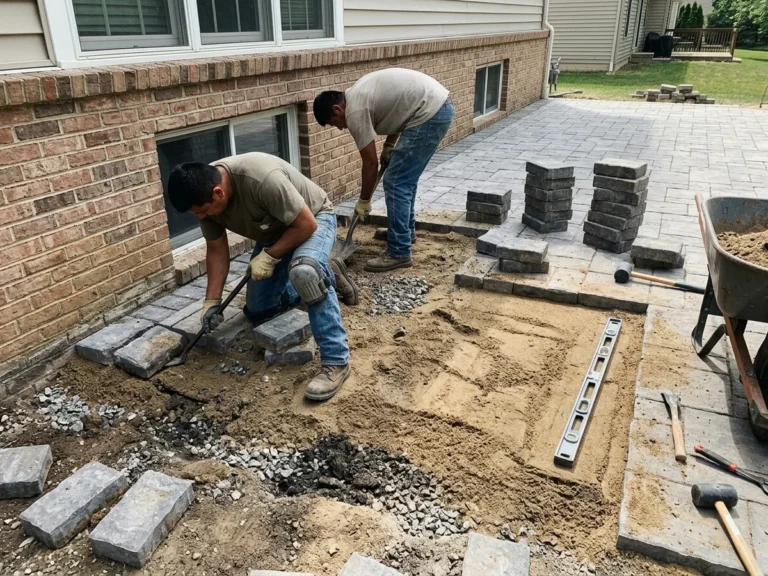
To secure a perimeter that lacks support, you must install a containment system that interacts correctly with the existing base. Start by excavating a narrow trench along the outside edge of the patio. Use a hand trowel or narrow shovel to expose the bottom of the concrete units and the underlying crushed stone aggregate. It is critical to keep this trench narrow to avoid undermining the compacted subgrade that supports the rest of the field.
Once the area is clear of debris, select a low profile restraint system designed for retrofitting. These systems typically feature a flange that slides beneath the edge units, allowing the restraint to sit flush against the pavers. After placing the restraint, secure it by driving metal spikes through the flange and into the subgrade at regular intervals. The depth and spacing of these spikes should ensure that the restraint remains firmly anchored against lateral pressure. Finally, backfill the trench with native soil or gravel and tamp it down to lock the new boundary in place.
Selecting the Right Restraint Material
Choosing between material types depends on the aesthetic requirements and the specific movement patterns observed at the site. Each material offers different levels of rigidity and durability.
| Material Type | Best For | Key Characteristic |
|---|---|---|
| Plastic | Curved or straight edges | Flexible and easy to install in retrofits |
| Metal | High-traffic straight lines | Low profile with high structural rigidity |
| Concrete | Permanent heavy-duty containment | Provides maximum resistance to lateral force |
Common mistakes during this process include failing to clear enough debris from the trench, which prevents the restraint from sitting flush against the pavers, and using insufficient spikes, which allows the restraint to pull away from the edge over time. Consistent monitoring of how well the foundation supports the units will help you identify future issues before they lead to significant shifting or joint failure.
Proper Installation Techniques
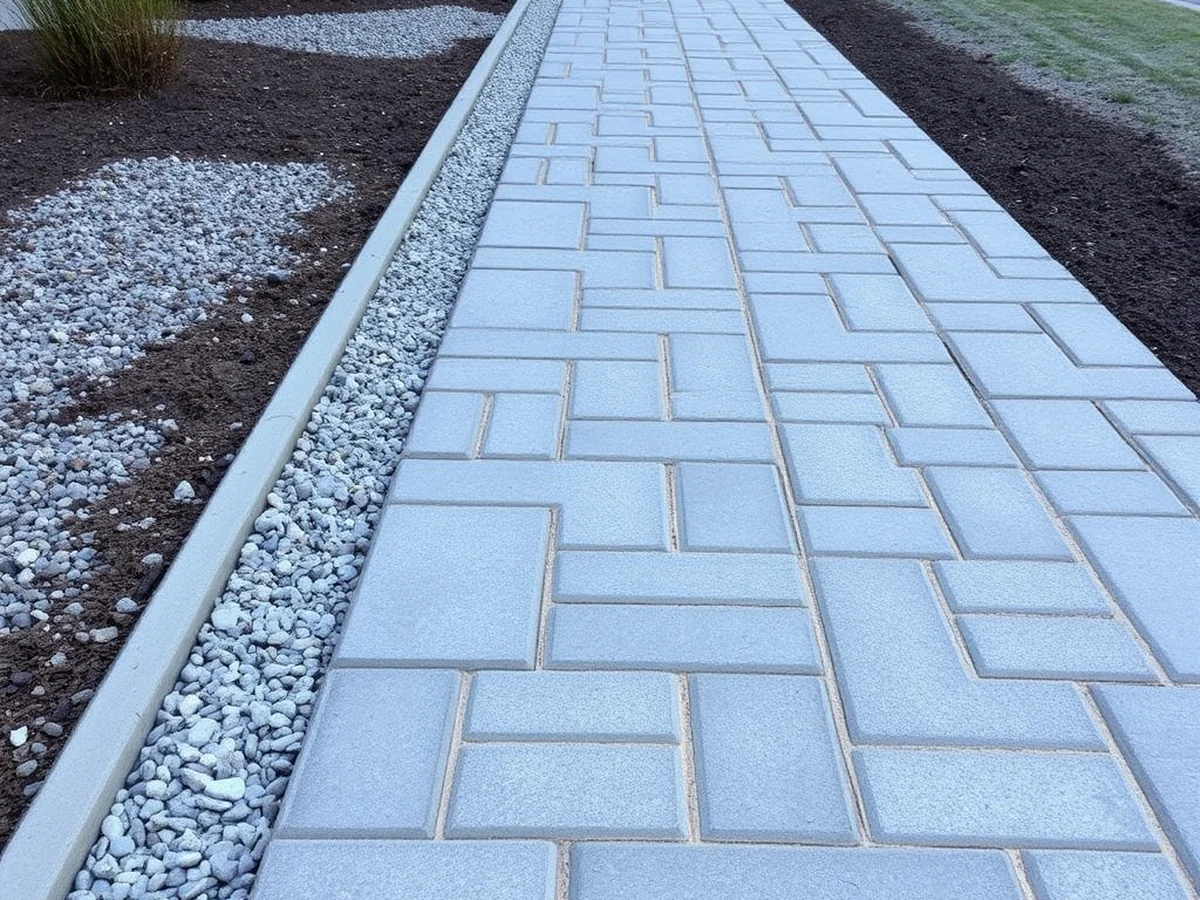
Preventing structural failure in hardscapes begins with a focus on subgrade compaction and the correct preparation of the base layers. The base serves as the primary load-bearing foundation, and when this layer lacks density, the entire surface becomes vulnerable to shifting. Contractors typically build the base using crushed stone aggregate, placed in thin lifts. Each lift requires thorough compaction before the next layer is added to ensure maximum support for the pavers. If this step is rushed or skipped, the foundation remains soft, which is a leading contributor to interlocking concrete paver failure over time.
The Role of Geotextile Fabric
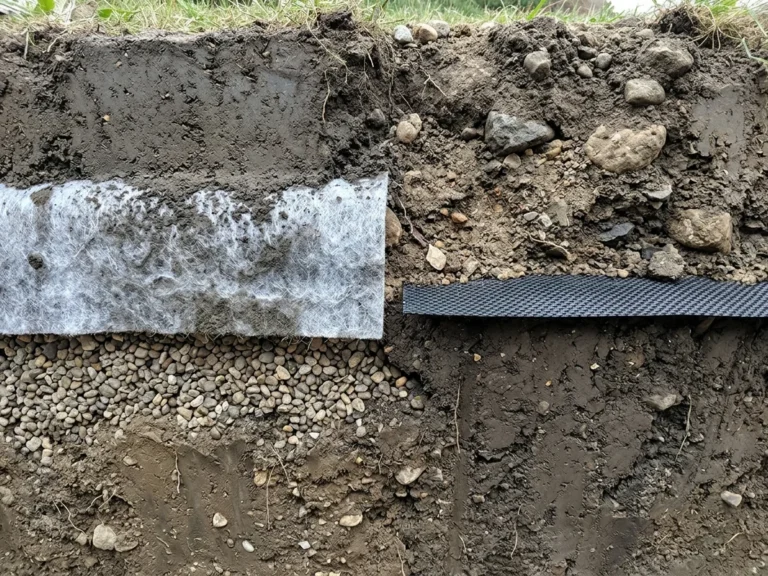
To further enhance the foundation, many installers place a layer of geotextile fabric between the subgrade and the aggregate base. This material acts as a separator, preventing fine subgrade soils from migrating upward into the coarse stone. When soil mixes into the aggregate, it fills the voids necessary for drainage and reduces the load-bearing capacity of the assembly. Keeping these layers distinct is essential for maintaining the firmness of the installation throughout changing weather conditions.
Securing the Perimeter
Because the outer boundary of a patio can drift when not held by a containment system, installing a robust support structure is a critical final step in the assembly process. The restraint must be anchored directly into the compacted base material. A common mistake during paver edge restraint installation is placing these anchors into loose topsoil at the perimeter of the excavation. When restraints are not secured to the dense base, they can tilt outward under pressure from foot traffic or heavy loads, causing the outer units to drift. Understanding how to secure paver perimeter areas is fundamental to long-term performance.
| Material Type | Common Application | Installation Note |
|---|---|---|
| Plastic | Curved or straight borders | Secured with long spikes into the base |
| Metal | High-traffic paths | Provides a thin, rigid profile |
| Concrete | Heavy-load zones | Permanent, requires curing time |
When considering why pavers move outward, it is important to note that perimeter movement often begins when the edge containment fails to withstand lateral forces. Without proper restraint, the units move away from the field, creating gaps that allow joint sand to wash out. This loss of material further reduces the integrity of the system. Regular maintenance involves checking the perimeter to ensure the restraints remain tight against the pavers. If the edge has already begun to shift, retrofitting the area with stronger, properly anchored restraints can often stop further degradation before the entire surface is compromised.
Common DIY Mistakes
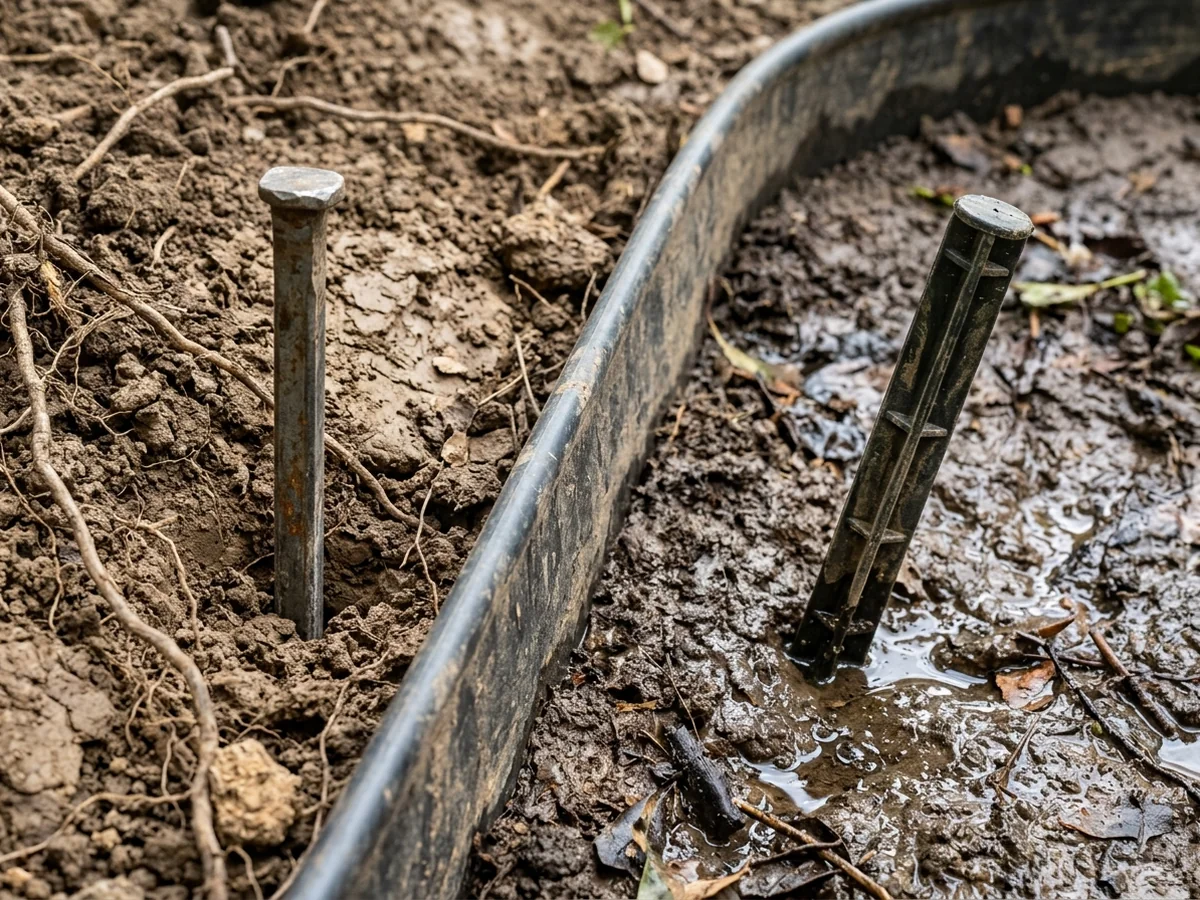
Homeowners often overlook the critical role of perimeter containment, assuming that the weight of the masonry units alone is enough to maintain a stable patio. When installing hardscapes, skipping or mismanaging the restraint system is a primary factor when the perimeter of a project begins to drift. Understanding these common errors is essential for preventing long-term structural issues and ensuring your project remains functional for years.
Ignoring the Subgrade and Base Foundation
One of the most frequent installation errors is placing edge restraints on top of loose bedding sand rather than the compacted subgrade. Edge materials must be set directly on the compacted crushed stone aggregate or the native subgrade to provide a firm anchor. If the restraint sits on the bedding layer, it lacks the necessary resistance to counter the lateral pressure exerted on the perimeter. This results in the entire edge system sliding sideways as the sand layer compresses or shifts under load. Ensuring proper subgrade compaction and placing restraints on a stable, load-bearing surface is fundamental to preventing the structural failure of the perimeter.
Incorrect Spike Placement and Depth
When using spike-based restraint systems, the length and frequency of the anchoring hardware determine the system’s effectiveness. A common mistake is using spikes that are too short to reach the stable subgrade, or failing to drive them deep enough to lock into the soil. Without sufficient penetration, the restraint can tilt outward when subjected to foot traffic or the natural expansion and contraction caused by freeze-thaw cycles. Furthermore, leaving excessive gaps between spikes reduces the holding power of the entire boundary. Spikes should be spaced consistently according to the manufacturer specifications to distribute the load evenly across the perimeter.
Failure to Address Corner and Section Alignment
The integrity of a hardscape depends on the continuity of the boundary. Misaligning straight sections creates weak points where units can drift apart. Skipping proper corner connections or failing to miter the restraints leaves gaps that allow perimeter stones to migrate away from the patio center. Once these gaps form, the structural stability of the paved surface often degrades as the joint sand is lost and the surrounding units lose their support. Proper management of the perimeter boundary requires careful planning at corners to ensure that the entire system remains locked together, protecting the field from shifting.
| Material Type | Primary Benefit | Best Application |
|---|---|---|
| Plastic | Flexible and easy to install | Curved paths and residential patios |
| Metal | High durability and low profile | Straight edges and professional landscape designs |
| Concrete | Permanent, rigid support | High-traffic areas and heavy-load driveways |
Retrofitting a patio that has already begun to shift is often more labor-intensive than installing the system correctly from the start. If you notice your pavers are spreading, it is typically necessary to excavate the perimeter, reset the displaced units, and re-anchor the restraints securely into the subgrade. Taking the time to verify your foundation and correctly secure your chosen restraint system is the most effective way to protect your investment.
FAQ
Why do my pavers move over time?
Pavers shift because everyday foot traffic and weather conditions push the perimeter units outward. Without proper containment at the edges, the units gradually lose their tight alignment and begin to separate.
Do I really need edge restraints for a small path?
Even small walkways require perimeter support to maintain their shape under regular use. Small paths experience the same ground shifting and lateral pressure as larger patios, which leads to loose stones over time.
What happens if I don’t use plastic edge restraints?
Leaving the perimeter unsupported allows edge stones to migrate away from the main field and create wide gaps. This movement destabilizes the entire surface and lets joint material wash away during rain.
Can I fix shifting pavers without removing them all?
You can often correct minor spreading by realigning the displaced perimeter units and installing exterior support directly against them. The interior field can usually stay in place while you fix the edges.
How do I choose the right edge restraint for my project?
Project requirements and personal aesthetic preferences guide the choice between plastic, metal, and concrete options. Each material provides the necessary perimeter containment to ensure your installation remains stable and resistant to common paver perimeter failures.
Conclusion
Deciding whether to add proper containment depends on the long-term stability you want for your hardscape. Addressing perimeter stability before installation prevents costly repairs later, ensuring your surface stays level and secure. When you understand the factors that cause the perimeter to lose its shape, you can take the right steps to protect your investment from lateral pressure and spreading.
You might also like: How Deep Should You Dig for a Paver Patio (The 4″ to 6″ Ba